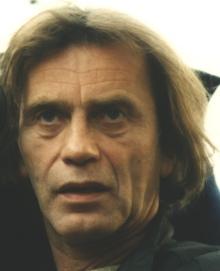
 English
Dîlan S. infiltrated left-wing groups in Bremen, including Interventionistische Linke (Interventionist Left). He worked for an intelligence agency. He participated in and helped organize civil disobedience actions, and participated in social events. He lived in shared apartments with his targets. He had romantic and sexual relationships with his targets.

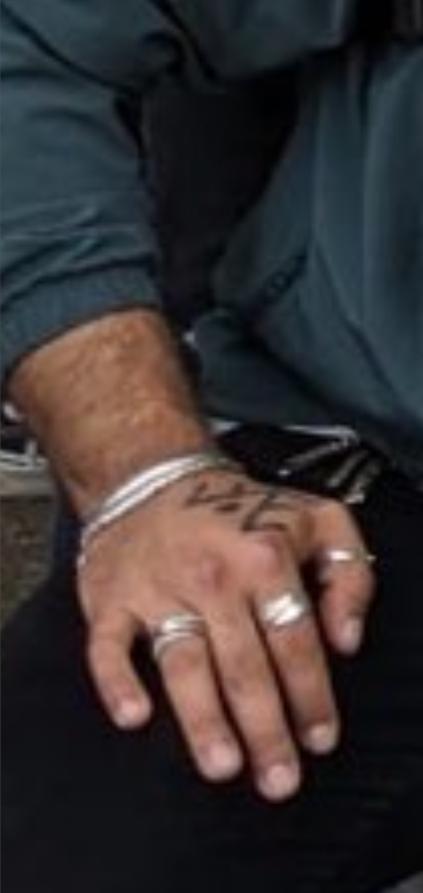
Gerrit Greimann infiltrated left-wing groups in Göttingen. He worked for a German intelligence agency. He participated in anti-fascist groups and student groups. He carried out the infiltration under his real name.
He was identified after a request for information was made to a German intelligence agency and the agency inadvertently responded with unredacted files which revealed his identity.
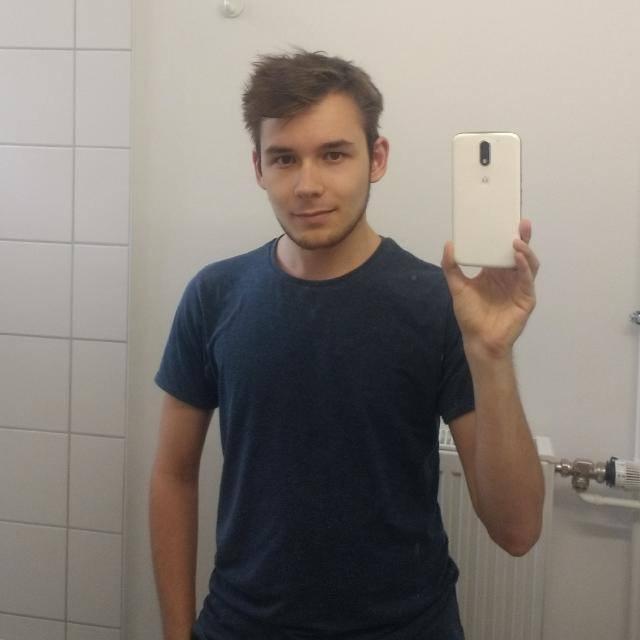
Ralf Gross infiltrated animal liberation, environmentalist, anti-repression, and anti-fascist groups in Germany. He worked for the police. He attended events and demonstrations, and participated in actions. On one occasion, the morning after an arson attack, he called an activist and asked if he had slept well, presumably to determine whether he had participated in the attack. He carried out the infiltration under his real name.
He was identified because:
- He exhibited suspicious behavior, which led activists to suspect him. For example:
- He had meat in his refrigerator and kept dogs in a kennel at his home, which was suspicious considering he participated in animal liberation groups.
- He reacted suspiciously when someone asked to borrow his laptop.
- Activists gained access to his email account and discovered that he had sent suspicious emails.
- Activists gained access to his Facebook account and found private messages in which he expressed disdain for animal liberation actions.
- In an attempt to confirm that he was an infiltrator, activists told him about a fake clandestine action, and later recorded a phone conversation in his car during which he gave information about the action to an unknown person.
- When confronted with the accusation that he was a spy, he tried to deny it, but he was not convincing at all.
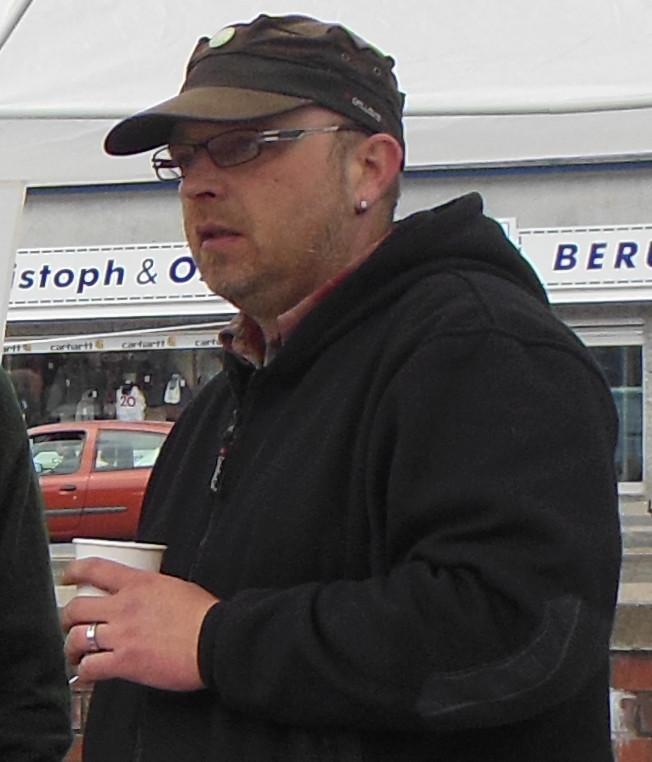
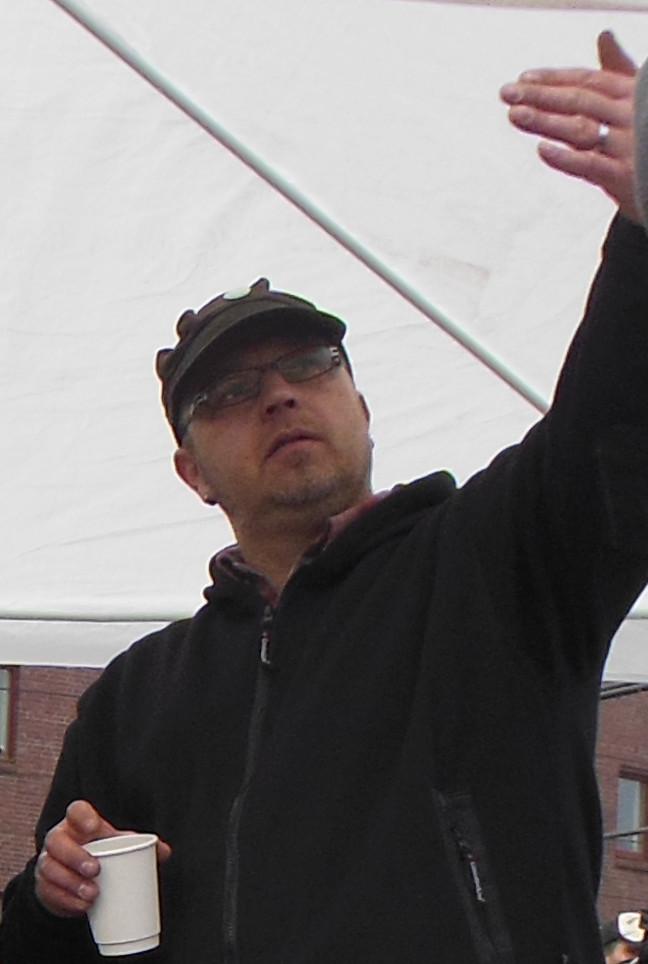
Astrid Oppermann infiltrated groups in Hamburg, including anti-fascist and anti-repression groups. She also attended an event in Denmark. She attended and helped organize demonstrations and events, and co-founded an anti-fascist group. On a few occasions, she introduced friends to other activists who were likely her actual friends under her real identity. She had an official ID card under her fake name.
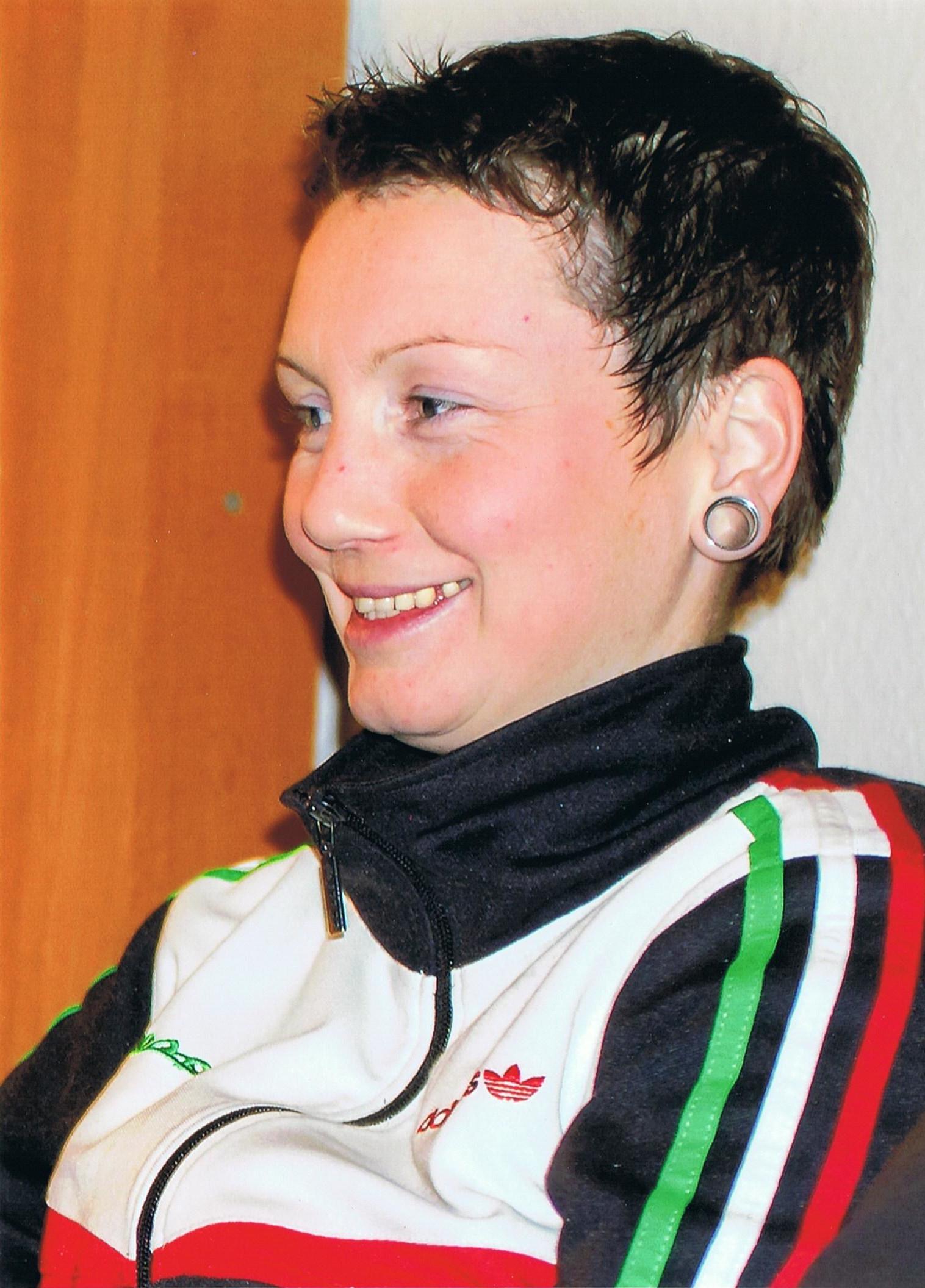
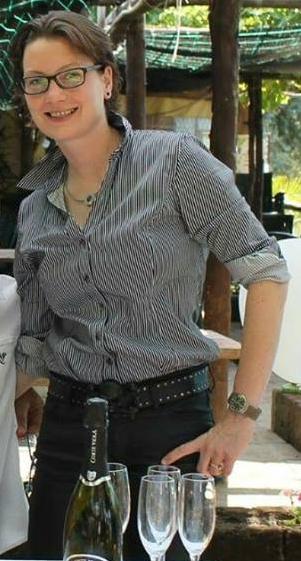
Maria Böhmichen infiltrated anti-racist and anti-fascist groups in Hamburg. She also attended events and demonstrations in Belgium, Denmark, France, and Greece. She attended and helped organize events and demonstrations. She also attended social events in public places and private homes. She had sexual relationships with two of her targets.
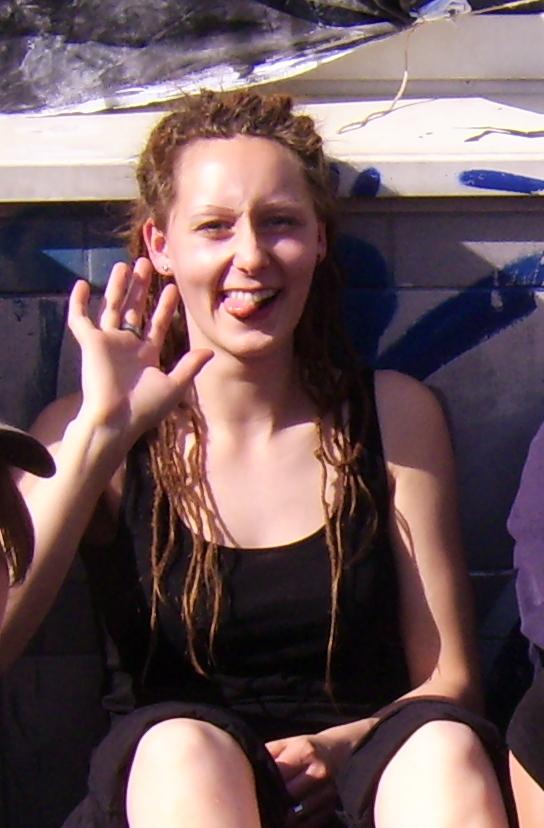

Simon Bromma infiltrated left-wing and anti-fascist groups in Heidelberg. He also attended an event in Belgium. He first infiltrated a student group before moving on to other groups. He participated in demonstrations.
He was identified because:
- Before the infiltration began, while on vacation in France, he told a person that he was a police officer.
- In 2010, this person traveled to Heidelberg to visit a friend from left-wing circles. They met Simon Bromma by chance at a party, and warned their friend that he was a police officer.
- The next day, when confronted with the accusation that he was a police officer, he admitted to being an infiltrator.
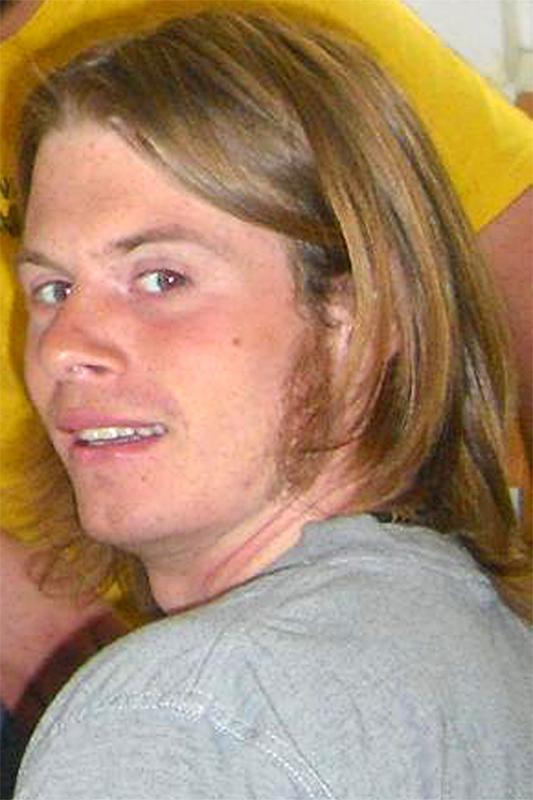
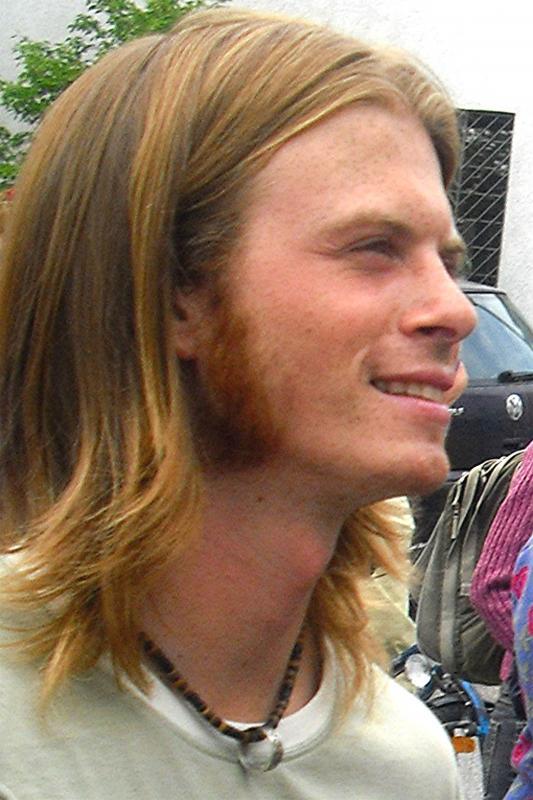
Iris Plate infiltrated left-wing and queer groups in Hamburg, including the social center Rote Flora. She attended and helped organize political events and demonstrations, and participated in social events. She had an official ID card under her fake name. She had romantic relationships with her targets.
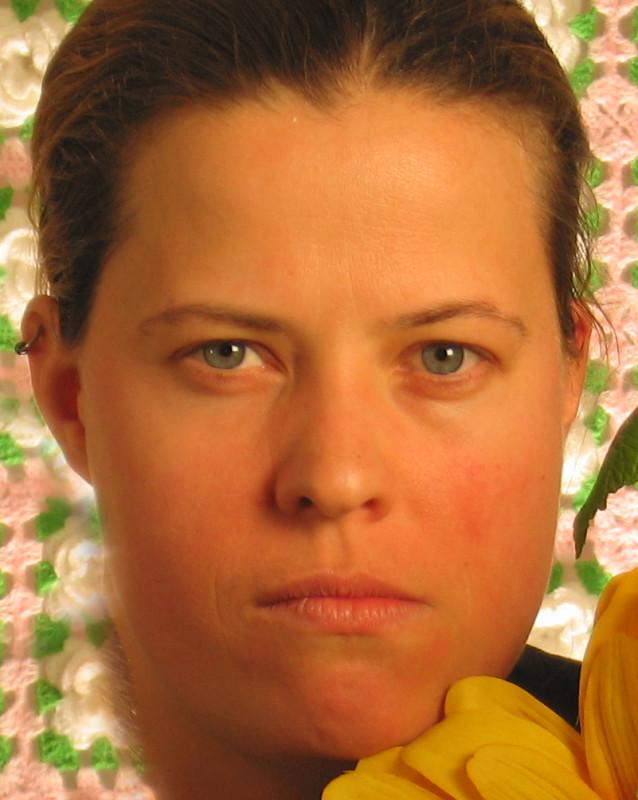
Kristian Krumbeck infiltrated left-wing groups in Hamburg. He attended actions, demonstrations and meetings.
He was identified because:
- He was recognized by chance during an action by someone who knew he was a police officer.
- The person who recognized him during the action also recognized him in pictures of him under his cover identity.
- People who knew him under his cover identity recognized him in pictures of him under his real identity.
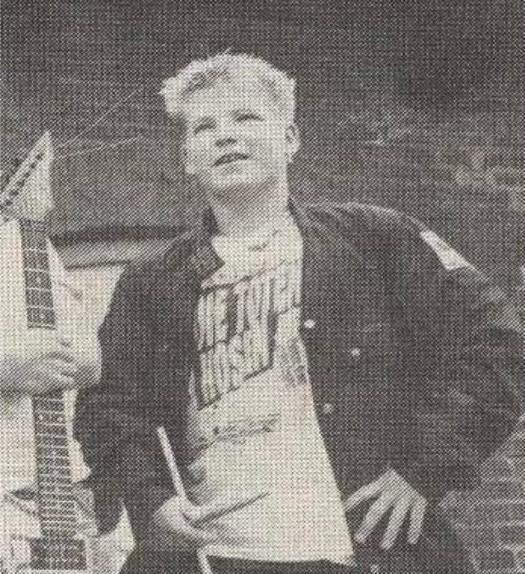
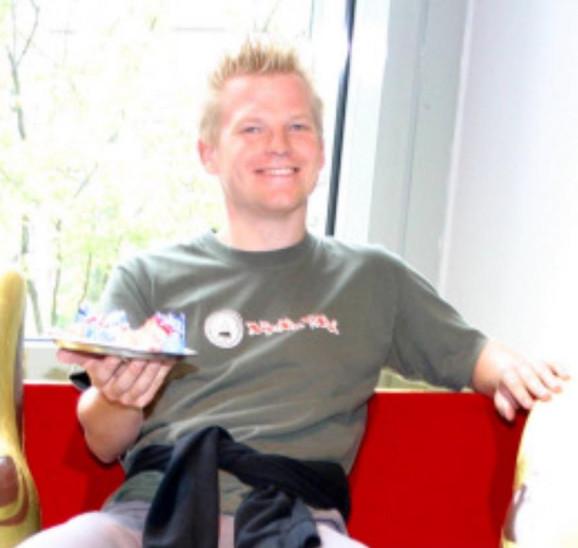
“Kirsti Weiß” infiltrated groups in Hanover, including student and anti-nuclear groups. She attended meetings, participated in actions, and helped organize events. For part of her infiltration, she lived in a shared apartment with other activists. On one occasion, she introduced to other activists a man who she claimed was her brother. She had a passport and other documents under her fake name.
She was identified when, a few months after the end of her infiltration, she revealed to a friend that she was an infiltrator.
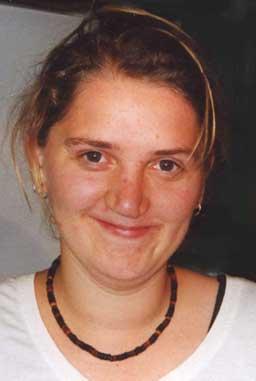
Axel Brinker infiltrated anti-nuclear groups in Göttingen. He attended events and actions, and participated in meetings.
Manfred Schlickenrieder infiltrated a wide range of left-wing and environmentalist groups in Germany, as well as in Italy, the Netherlands, and Switzerland. In particular, he infiltrated various levels of left-wing revolutionary organizations, including the Red Army Faction in Germany and the Red Brigades in Italy. He worked for both State intelligence agencies and private companies throughout his career, including German domestic and foreign intelligence services and the security company Hakluyt, which had close links with British foreign intelligence services and provided information to the multinational oil and gas companies Shell and BP. He posed as a militant archivist, filmmaker, and translator, which allowed him to attend secret meetings, collect documents, and film interviews, meetings, demonstrations, actions, and other events. He gathered information on hundreds of activists. On one occasion, he offered to sell firearms to members of a clandestine communist party, and asked in exchange to know what the firearms would be used for.