 English
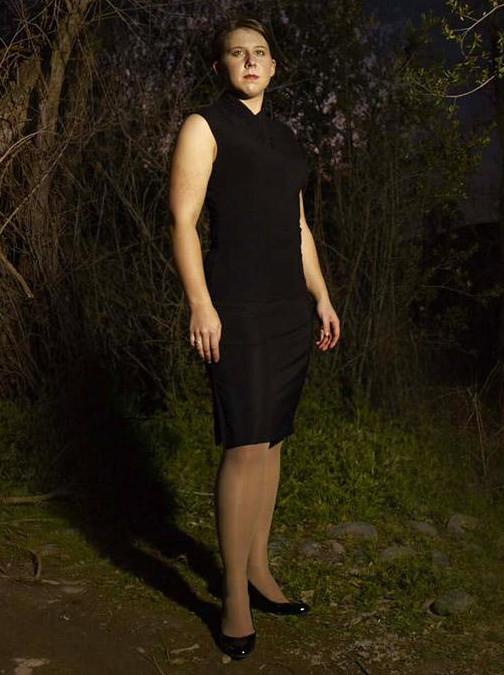
Dîlan S. infiltrated left-wing groups in Bremen, including Interventionistische Linke (Interventionist Left). He worked for an intelligence agency. He participated in and helped organize civil disobedience actions, and participated in social events. He lived in shared apartments with his targets. He had romantic and sexual relationships with his targets.
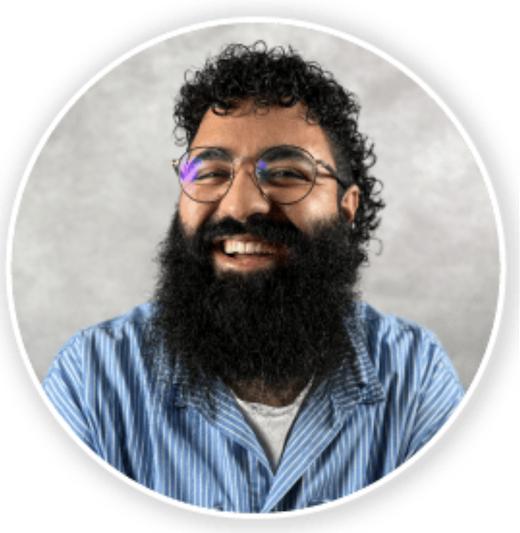
Mohamed El Berkal infiltrated anti-racist, anti-fascist, and anarchist groups in France. He also attended an event in Germany. He was recruited as an infiltrator by the police after he was arrested and threatened with prison time if he didn't become one. He attended meetings and participated in actions. He took pictures of faces, meetings, and living and organizational spaces.
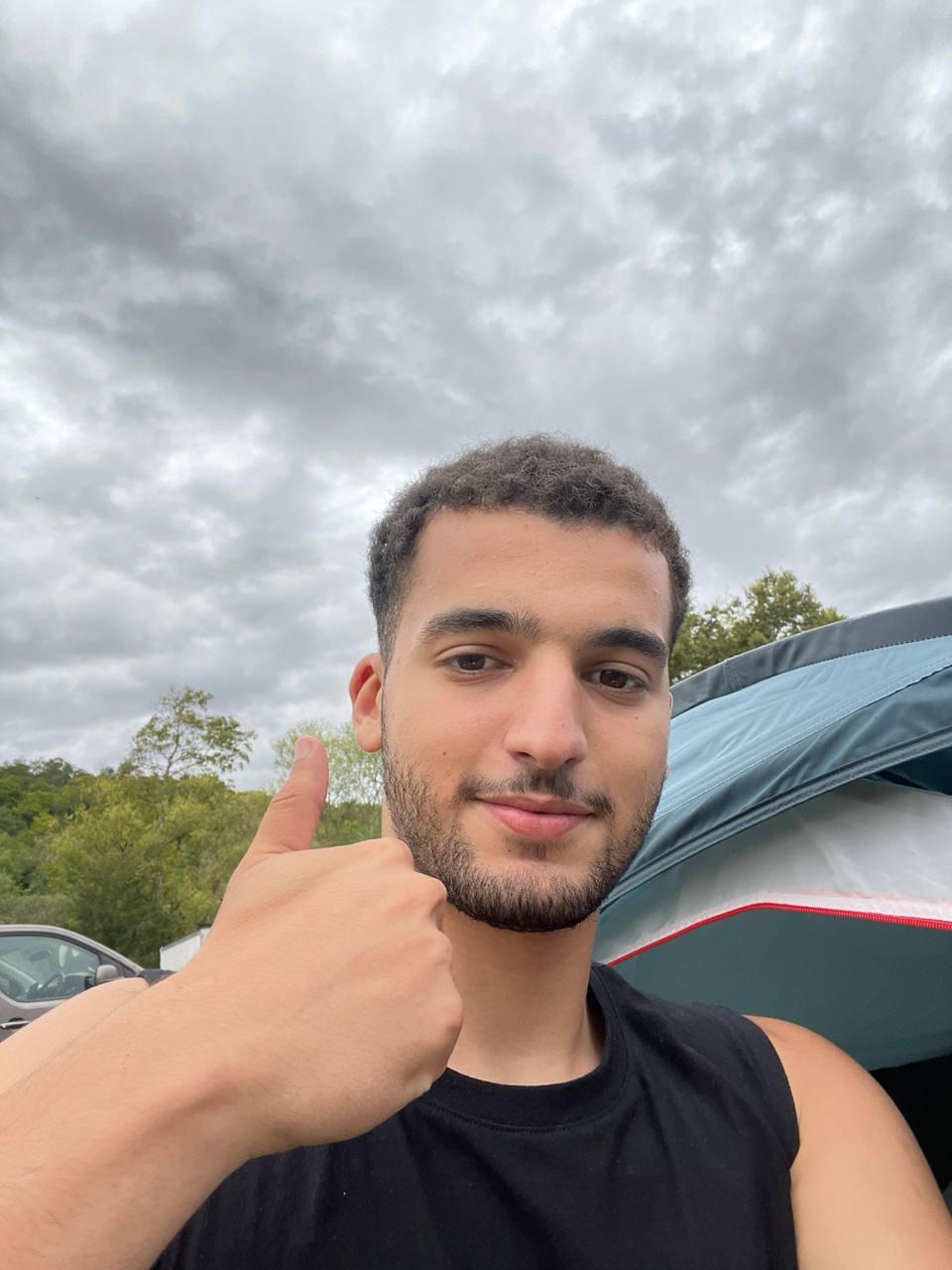
Michael Adam Windecker II infiltrated demonstrations for racial justice in Denver. He worked for the Federal Bureau of Investigation (FBI). He attended demonstrations. He accused other activists of being FBI informants. He asked an activist to illegally purchase a firearm for him, and the activist was later convicted of the illegal purchase. He carried out the infiltration under his real name.
He was exposed as a likely infiltrator in 2020 because he exhibited suspicious behavior, such as collecting activists' personal information, wearing a camera on his chest during demonstrations, and pushing people to commit crimes. He was confirmed to be an infiltrator by a journalist in 2023.
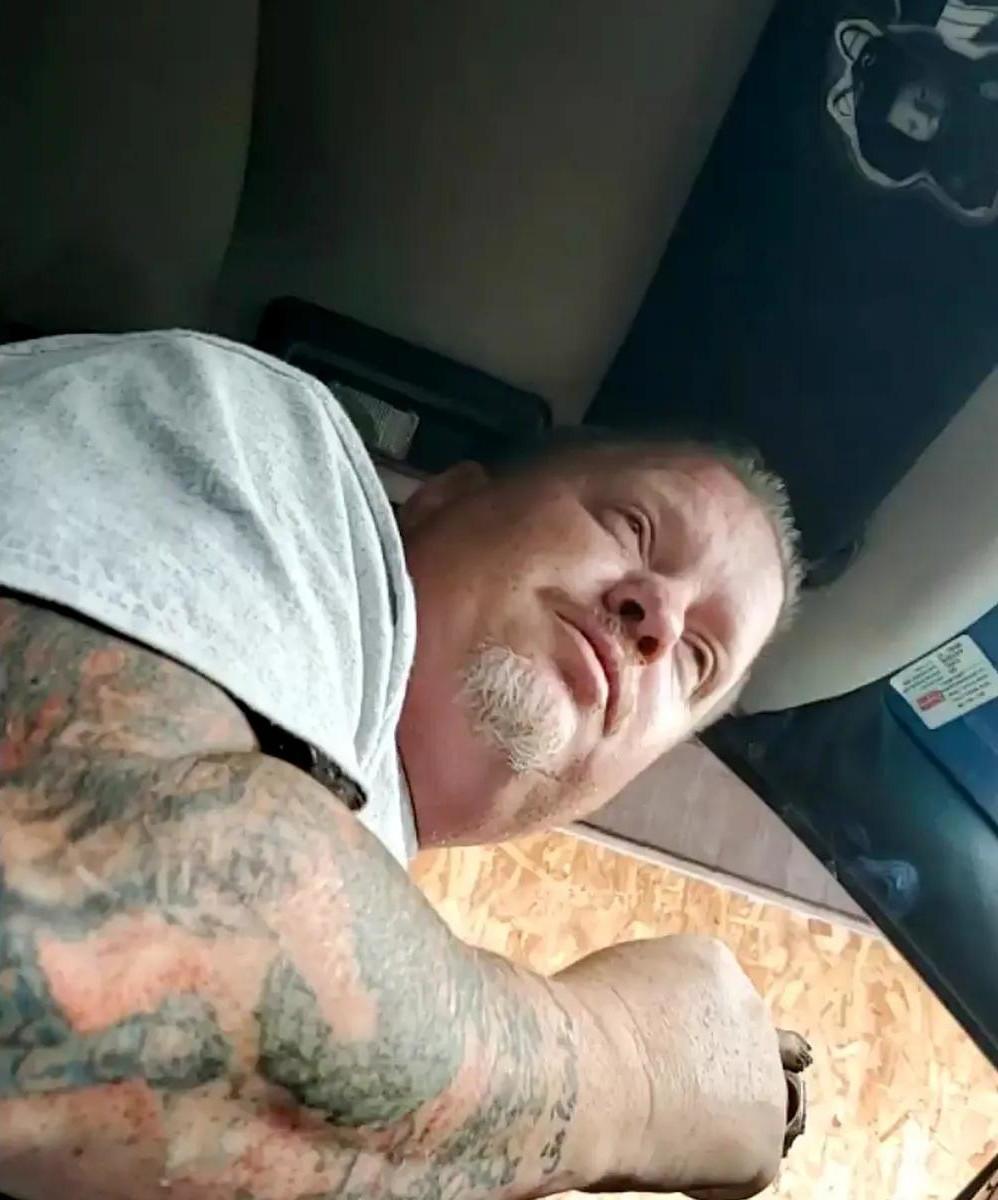
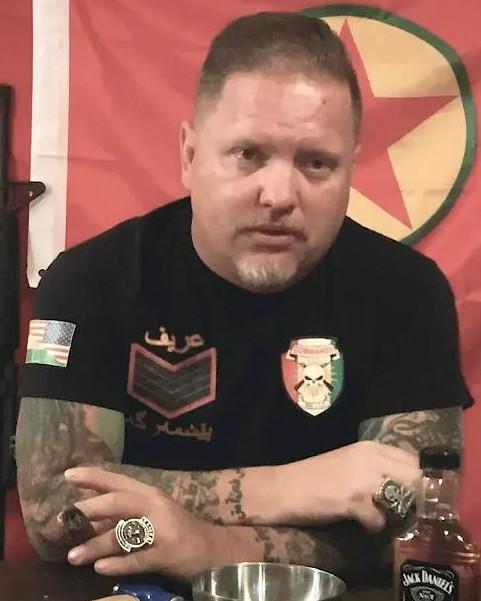
Gerrit Greimann infiltrated left-wing groups in Göttingen. He worked for a German intelligence agency. He participated in anti-fascist groups and student groups. He carried out the infiltration under his real name.
He was identified after a request for information was made to a German intelligence agency and the agency inadvertently responded with unredacted files which revealed his identity.
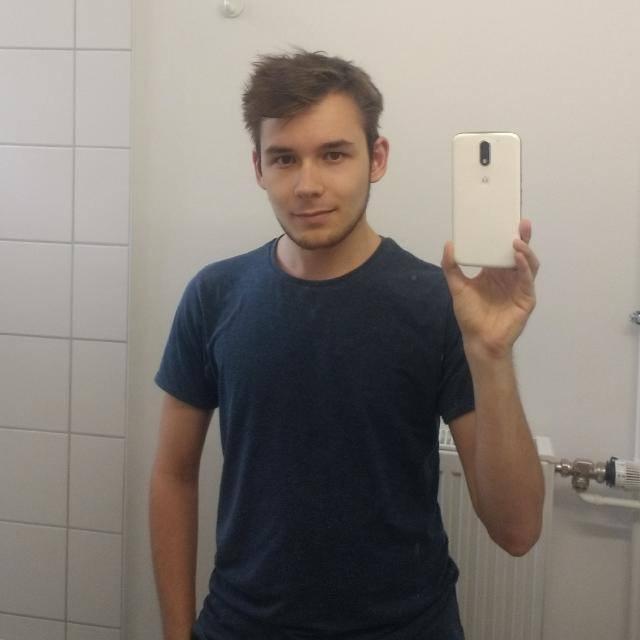
Heath Harmon infiltrated protests against the Dakota Access Pipeline. He worked for the Federal Bureau of Investigation (FBI). He was recruited by the FBI after he contacted his brother, a police officer, and asked if he could help by infiltrating the protests. He participated in camps organized in opposition to the Dakota Access Pipeline. He was in a romantic and sexual relationship with one of his targets.
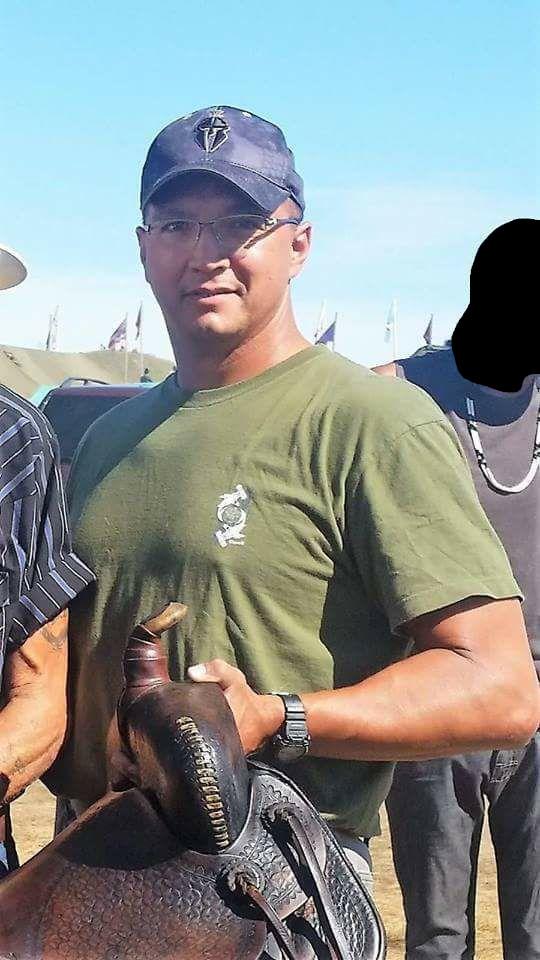
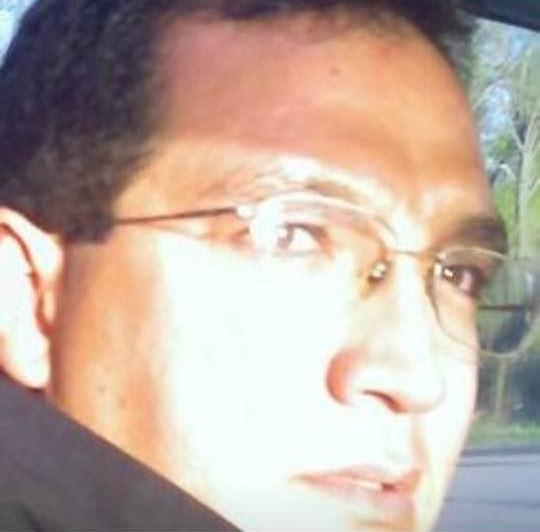
Ralf Gross infiltrated animal liberation, environmentalist, anti-repression, and anti-fascist groups in Germany. He worked for the police. He attended events and demonstrations, and participated in actions. On one occasion, the morning after an arson attack, he called an activist and asked if he had slept well, presumably to determine whether he had participated in the attack. He carried out the infiltration under his real name.
He was identified because:
- He exhibited suspicious behavior, which led activists to suspect him. For example:
- He had meat in his refrigerator and kept dogs in a kennel at his home, which was suspicious considering he participated in animal liberation groups.
- He reacted suspiciously when someone asked to borrow his laptop.
- Activists gained access to his email account and discovered that he had sent suspicious emails.
- Activists gained access to his Facebook account and found private messages in which he expressed disdain for animal liberation actions.
- In an attempt to confirm that he was an infiltrator, activists told him about a fake clandestine action, and later recorded a phone conversation in his car during which he gave information about the action to an unknown person.
- When confronted with the accusation that he was a spy, he tried to deny it, but he was not convincing at all.
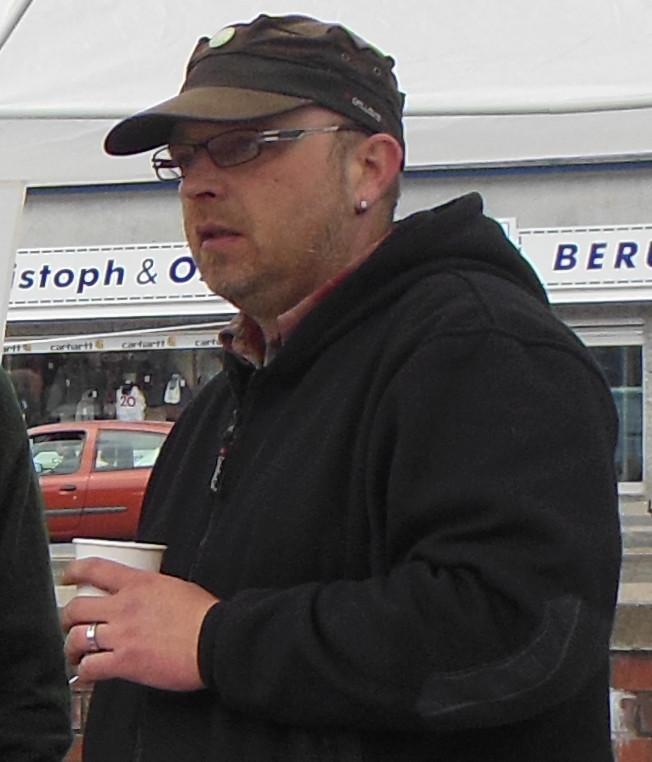
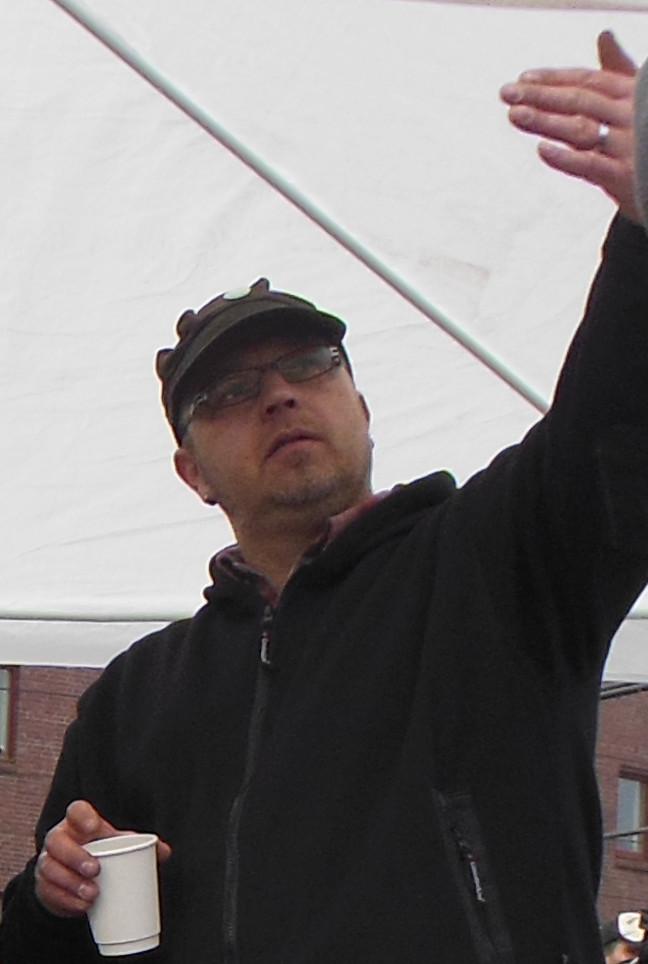
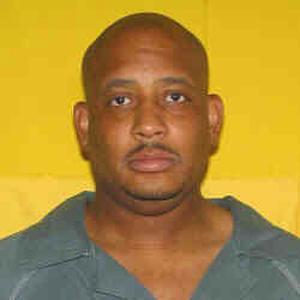
Shaquille Azir infiltrated an informal anarchist group in Cleveland, Ohio. He worked for the Federal Bureau of Investigation (FBI). He first attended a protest, where he met an anarchist. He then formed an informal group with this anarchist and four others, and pushed them to plot the bombing of a bridge. The anarchists were arrested and each sentenced to approximately 10 years in prison.
Christian Høibø infiltrated left-wing groups and a social center in Norway. He also attended demonstrations in Denmark and Germany. He initially began the infiltration for his own purposes — to gather information for his work as a journalist — and, in 2002, was recruited by the police to work as an infiltrator for them. He attended meetings and participated in demonstrations.
In 2013, he publicly revealed that he had been an infiltrator. The police confirmed that he had indeed worked for them as an infiltrator.
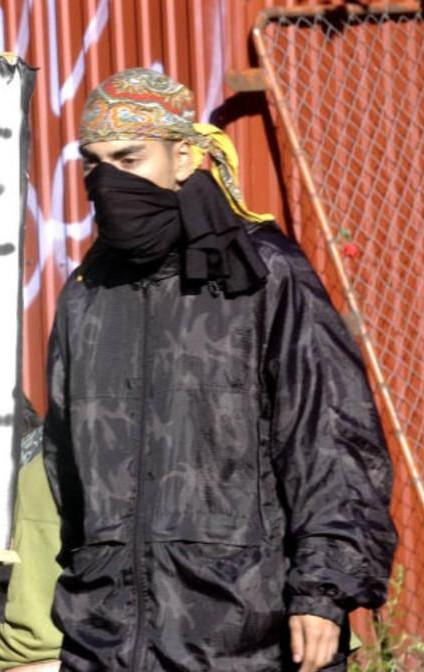
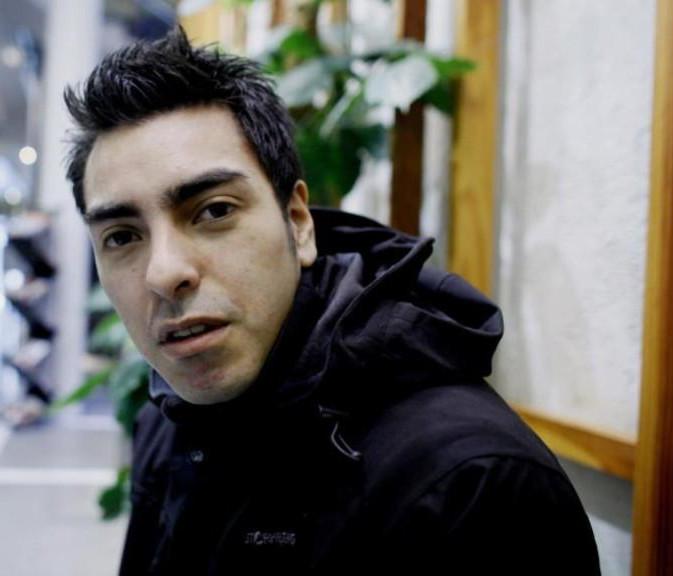
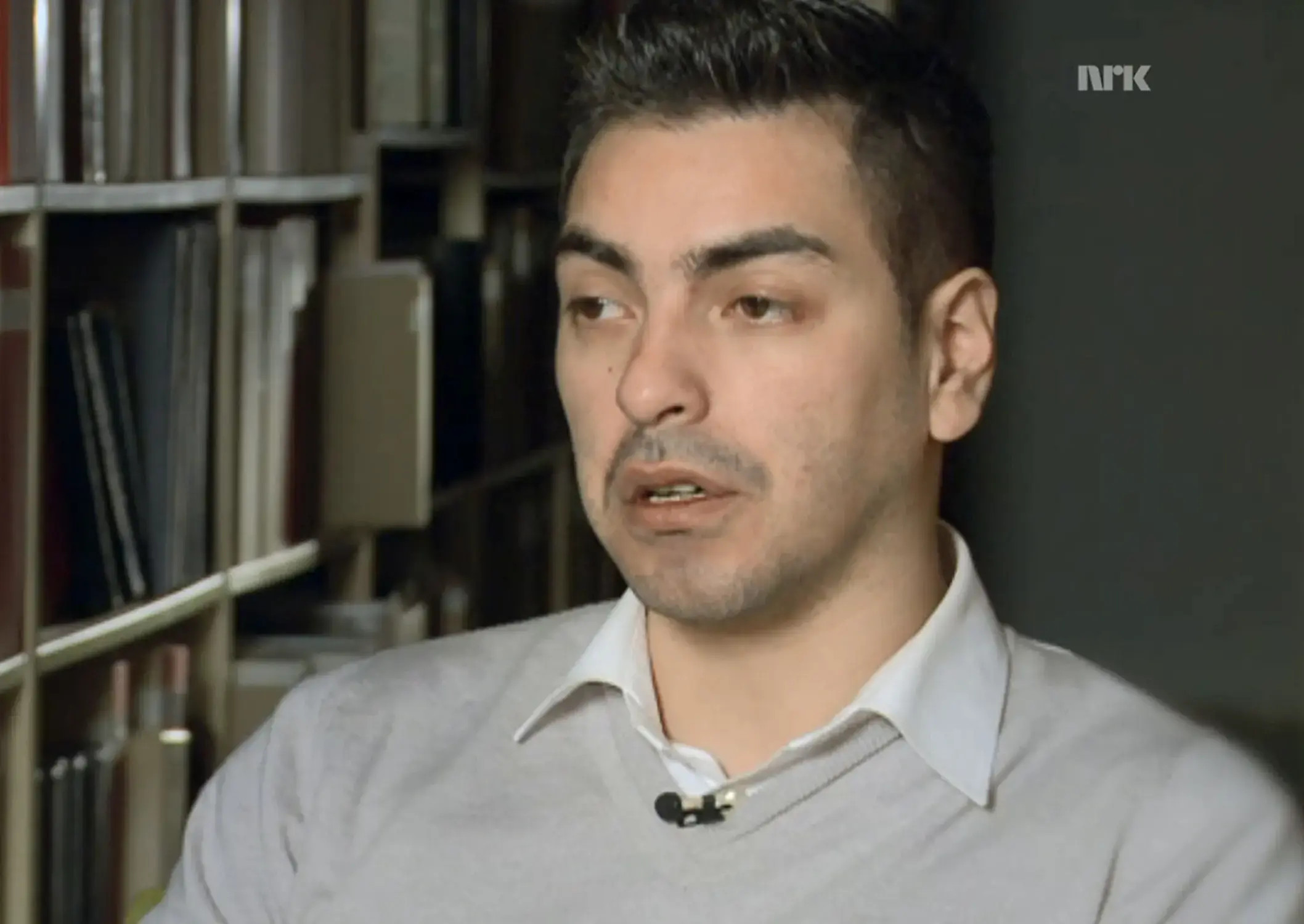
Matthew Gibbons infiltrated anti-fascist demonstrations in the United Kingdom. He worked for the police.
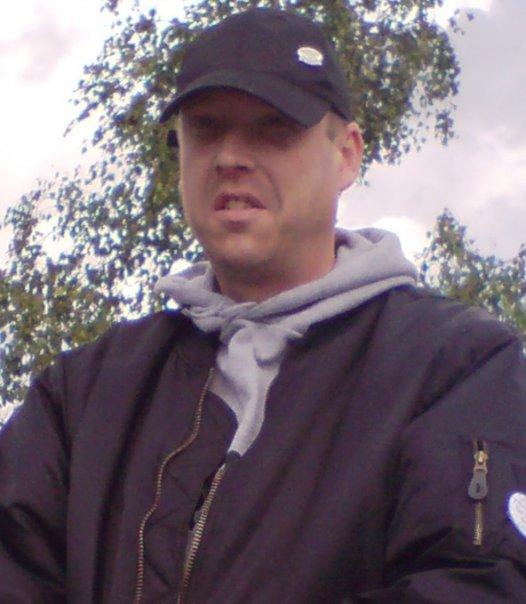
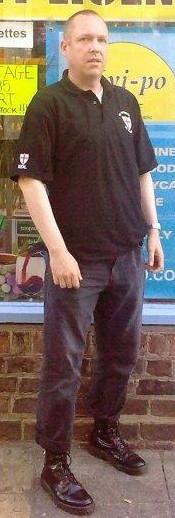
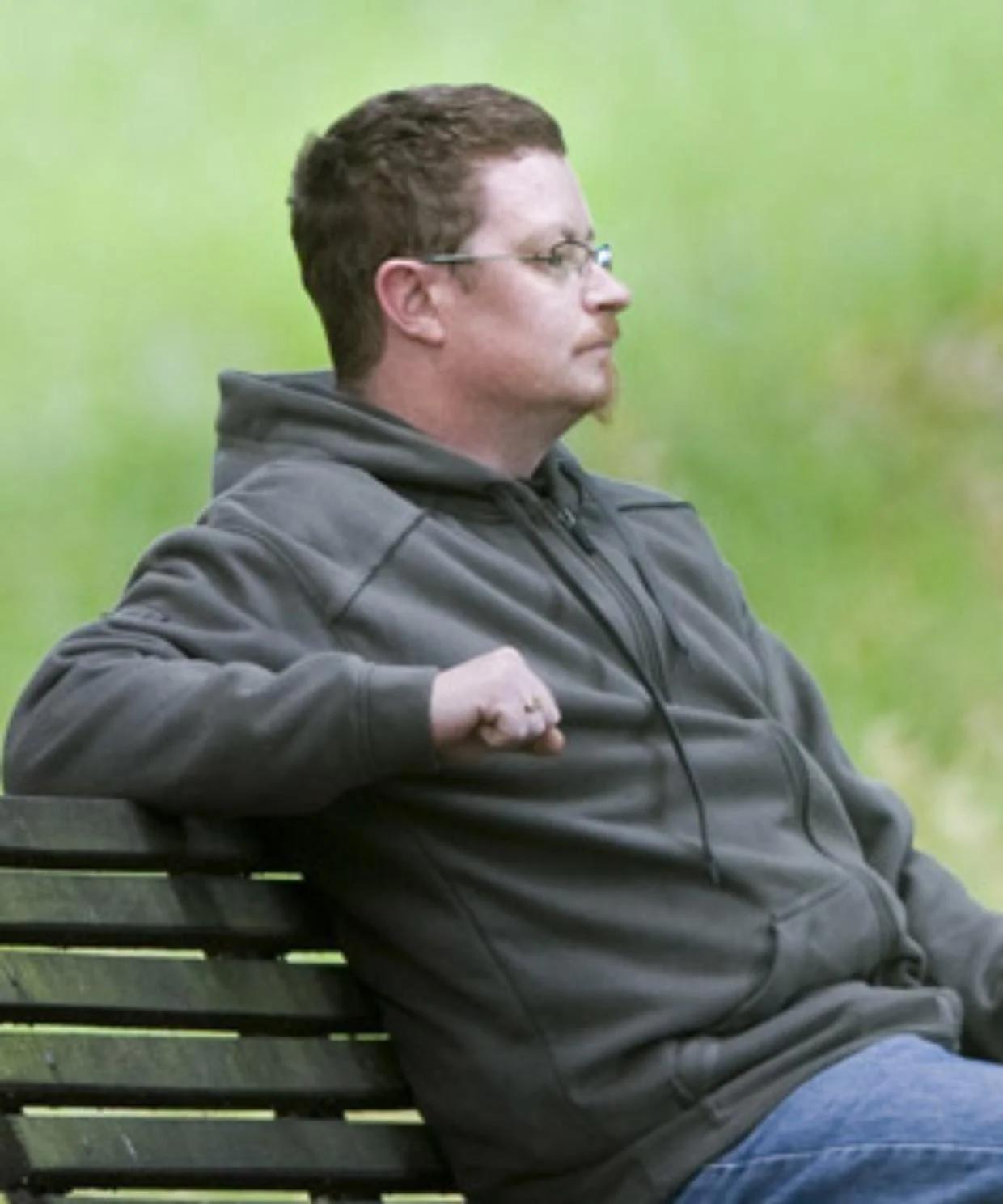
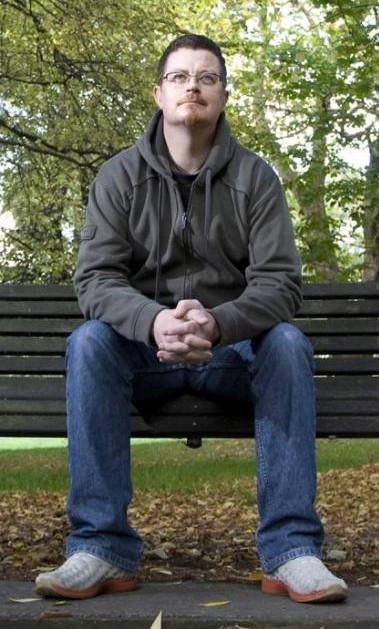
Rob Gilchrist infiltrated groups in New Zealand, including environmentalist, animal rights, and anti-war groups. He worked for the police. He attended hundreds of meetings, demonstrations and other events. On several occasions, he accused other activists of being infiltrators. He had romantic and sexual relationships with his targets, including one that lasted four years. He carried out the infiltration under his real name.
He was identified because:
- He asked his activist girlfriend to fix a problem with his computer.
- While trying to fix the computer, his girlfriend discovered that he had been sending suspicious emails containing information about activist groups.
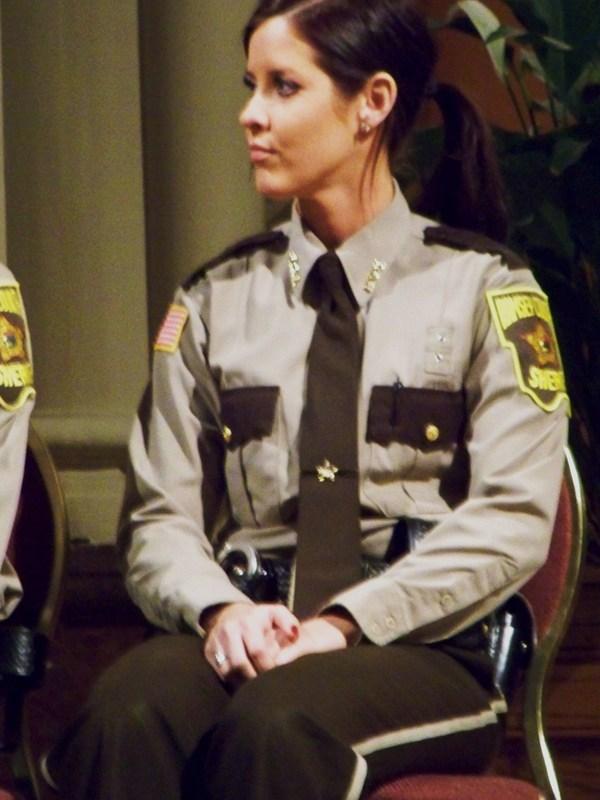
Rachel Nieting infiltrated groups organizing against the 2008 Republican National Convention. She worked for the police. She attended meetings. Another infiltrator, Marilyn Hedstrom, posed as her aunt.
Chris Dugger infiltrated groups organizing against the 2008 Republican National Convention. He worked for the police. He attended meetings. On one occasion, he claimed to suspect another activist of being an informant.
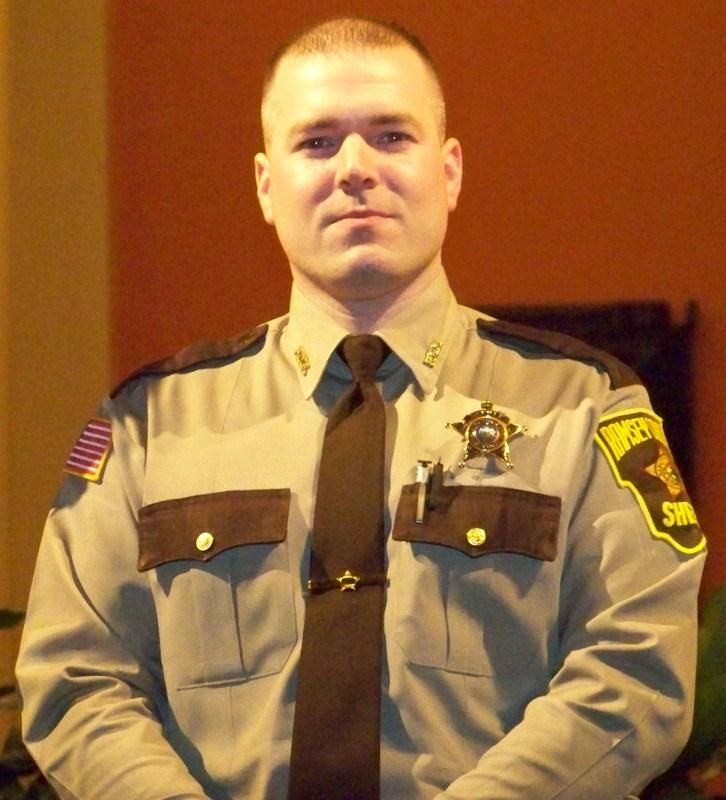
Brandon Darby infiltrated activist groups in the United States, including an informal group organizing against the 2008 Republican National Convention (RNC). He had been involved in activist groups for years before being recruited by the Federal Bureau of Investigation (FBI). During the RNC, he wore a recording device hidden in his belt. His infiltration resulted in the arrest of two activists who were sentenced to 3 and 4 years in prison, respectively, for making and planning to use Molotov cocktails.
He was identified because:
- He exhibited suspicious behavior, such as pushing people to commit crimes.
- Activists obtained FBI documents that appeared to be based on information he had provided. The documents included the names of many people, but not his name, and reported on private conversations he had with other activists.
- He then published an open letter admitting that he had worked for the FBI.
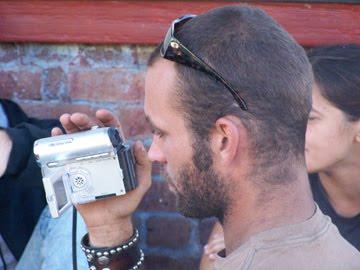
Andrew Darst infiltrated groups in the United States, including anarchist groups and groups organizing against the 2008 Republican National Convention. He worked for the Federal Bureau of Investigation (FBI). He attended meetings and other events. Hidden audio and video recording devices were hidden in his apartment to record activists who visited. He pushed an activist to make Molotov cocktails, and the activist was sentenced to 3 and a half years in prison.
Lukas a Porta infiltrated the activist organization Attac and other anti-globalization groups in Geneva. He also attended an event in Germany. He worked for Swiss intelligence agencies. He attended meetings and demonstrations.
He was identified in 2011 when he publicly revealed that he had been an infiltrator.
Zoe Elizabeth Voss infiltrated anarchist events and an informal anarchist group in the United States. She worked for the Federal Bureau of Investigation (FBI). She attended events and demonstrations. She often wore hidden recording devices. At one event, she met an anarchist, Eric McDavid. They met a few more times. Finally, she rented an isolated cabin where she met with McDavid and two others. During their stay at the cabin, she pushed them to build a bomb to carry out a sabotage. They were arrested after purchasing supplies to build the bomb. Eric McDavid was sentenced to 20 years in prison, later reduced to 9 years.