 English
Silvia María Rodríguez Hidalgo infiltrated groups in Madrid, including the Movimiento Antirrepresivo de Madrid (Madrid Anti-Repression Movement) and a pro-Palestinian group. She attended meetings and events and participated in civil disobedience actions.
She was initially suspected of being an infiltrator because despite being new to activism, she had a very good knowledge of Madrid activist groups.
Mohamed El Berkal infiltrated anti-racist, anti-fascist, and anarchist groups in France. He also attended an event in Germany. He was recruited as an infiltrator by the police after he was arrested and threatened with prison time if he didn't become one. He attended meetings and participated in actions. He took pictures of faces, meetings, and living and organizational spaces.
Neiva Marina Carmona Franco infiltrated environmentalist groups in Madrid, including the local branches of Extinction Rebellion and Fridays for Future. She participated in civil disobedience actions. She had an official ID card under her fake name.
She was quickly suspected of being an infiltrator because she exhibited suspicious behavior, such as not having a social media presence. She was identified when members of Extinction Rebellion used a photocopy of her ID card to request a birth certificate from the city where she claimed to have been born, and discovered that she wasn't in the city's registry.
María Victoria Canillas Sánchez infiltrated groups in Madrid, including social centers and the local branch of the environmentalist group Extinction Rebellion. She first infiltrated a gym in a social center before moving on to other groups. She attended meetings. She had a sexual relationship with one of her targets.
She was identified partly because:
- She seemed at ease with contact sports despite claiming she had never practiced any.
- She had a very flattering attitude towards people, and she changed her opinion depending on who she spoke to.
- Pictures of her under her cover identity matched pictures of her under her real identity. The latter included pictures found on social media.
Maria Isern Torres infiltrated groups in Girona, including pro-independence groups. She attended demonstrations and meetings. She had an official ID card under her fake name. She was in a sexual and romantic relationship with one of her targets, O., for several years. She lived with O. for a year and, on one occasion, brought him to her real family home to meet her real mother, who was complicit in the deception.
Lucía Rodríguez de Ves infiltrated groups in Madrid, including the antifascist group Distrito 104, the Movimiento Antirrepresivo de Madrid (Madrid Anti-Repression Movement), and social centers. She first infiltrated a gym before moving on to other groups. She attended many events and demonstrations and participated in civil disobedience actions and riots.
She was identified partly because:
- Her fake and real names were similar: both contained the name “Lucía Rodríguez.”
- Pictures of her under her cover identity matched pictures of her under her real identity. The latter included pictures posted by her real relatives on social media in which she appeared.
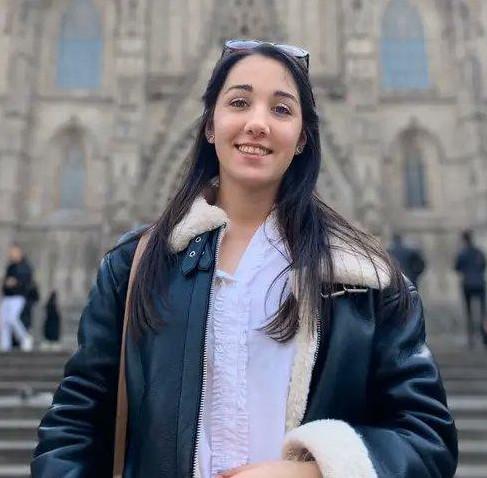
Daniel Hermoso Pérez infiltrated groups in Catalonia, including the social center La Cinètika in Barcelona. He first infiltrated a gym in La Cinètika before moving on to other groups. He attended demonstrations and participated in civil disobedience actions. He had sexual or romantic relationships with at least eight people and used those relationships to gain access to activist spaces.
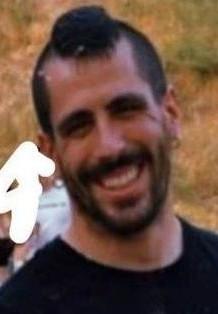
Ramón Muñoz Fernández infiltrated groups in Valencia, including groups advocating for housing rights and a social center. He attended and organized meetings and demonstrations. He participated in actions, including the nighttime degradation of fences surrounding lots owned by a real estate developer. He had an official ID card and social security number under his fake name.
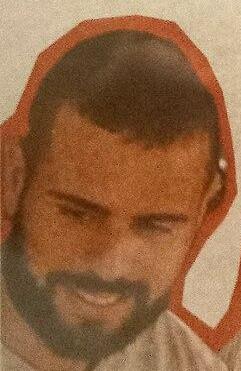
Ignacio José Enseñat Guerra infiltrated groups in Barcelona, including groups advocating for housing rights and a student union. He attended meetings and demonstrations and participated in civil disobedience actions. He had an official ID card under his fake name, which he used to open a bank account and conduct other administrative procedures.
He was identified partly because:
- His accent did not match the region of Spain from which he claimed to be.
- An apartment he claimed belonged to his uncle was listed in public records as owned by a company and intended for tourist accommodation.
- Pictures of him under his cover identity matched pictures of him under his real identity.
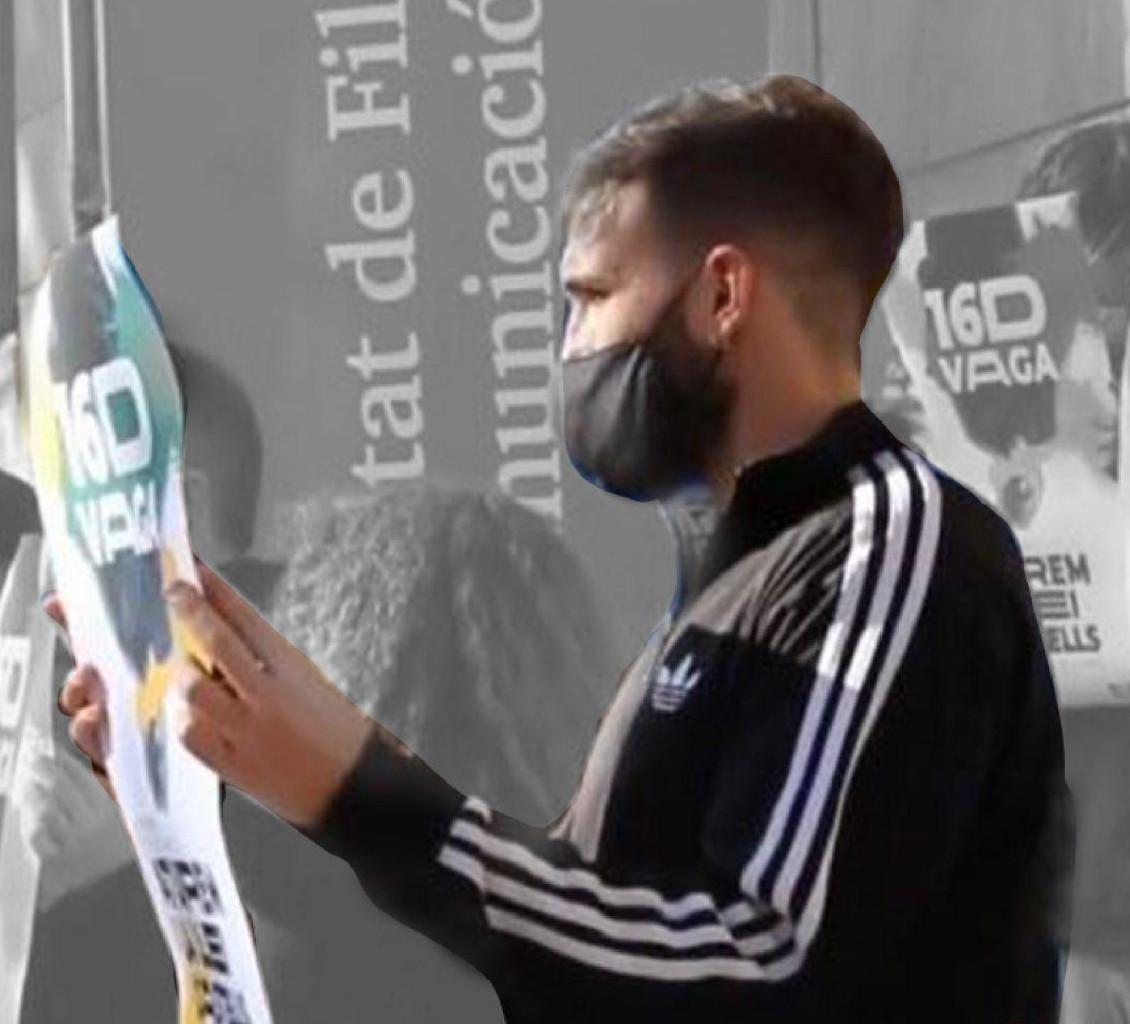
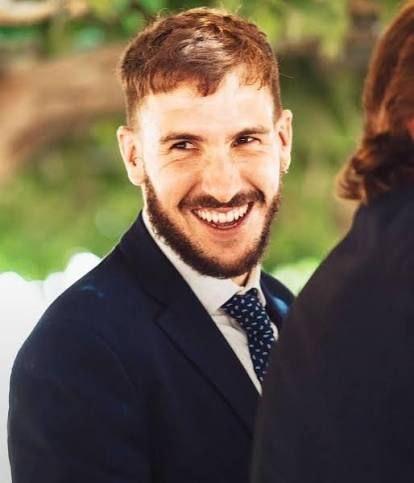
Carlos Pérez Moreno infiltrated groups in Madrid, including the antifascist group Distrito 14. He first infiltrated a gym before moving on to other groups. He attended demonstrations and participated in actions. On some occasions, he and another infiltrator, Sergio Gigirey Amado, participated in the same actions.
He was identified partly because:
- When people visited the apartment he claimed to live in, the tap water was brown, as if no one lived there.
- Despite claiming to work for an air conditioning installation company, he often attended political events during work hours.
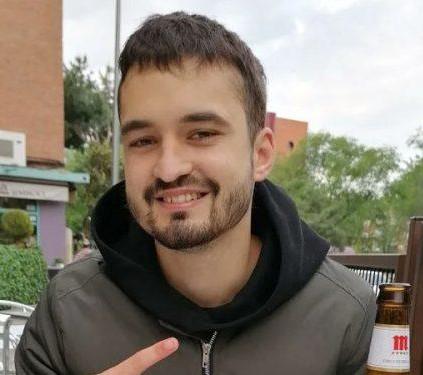
Álvaro Gaztelu Alcaire infiltrated groups in Lleida, including pro-independence groups and a student union. He attended demonstrations and participated in riots. He had an official ID card under his fake name, which he used to open a bank account.
He was identified partly because pictures of him under his cover identity matched pictures of him under his real identity. The latter included a video from his police graduation ceremony and a picture from a race in which he participated under his real identity.
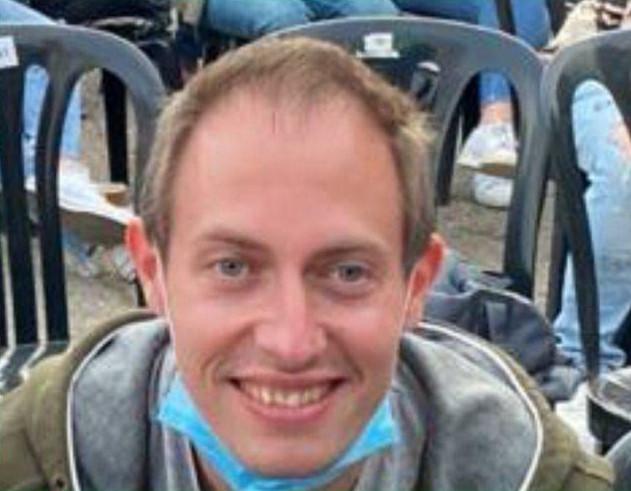
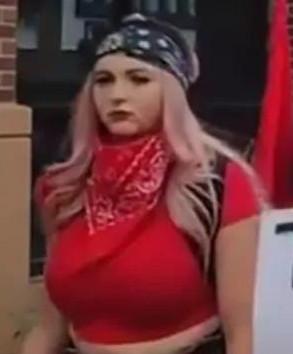
April Rogers infiltrated leftist groups in Colorado Springs, including a socialist political organization and a tenants union. She was part of the Colorado Springs Police Department but her infiltration was carried out under the authority of the Federal Bureau of Investigation (FBI). She attended demonstrations and other events. On several occasions, she tried to push activists to illegally purchase firearms, presumably so they could be charged with the illegal purchases.
She was identified because:
- After a demonstration in which she was present, an activist was charged with a crime related to the demonstration. As part of the case, the activist was granted access to documents, including body-camera video footage from a police officer near the demonstration. In the footage, the officer mentioned that two undercover officers were at the demonstration, and appeared to refer to one of them as “April, with her giant boobs.”
- Through “a process of elimination,” activists deduced that she was the infiltrator mentioned in the footage.
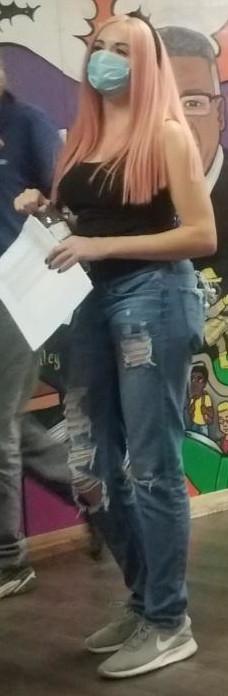
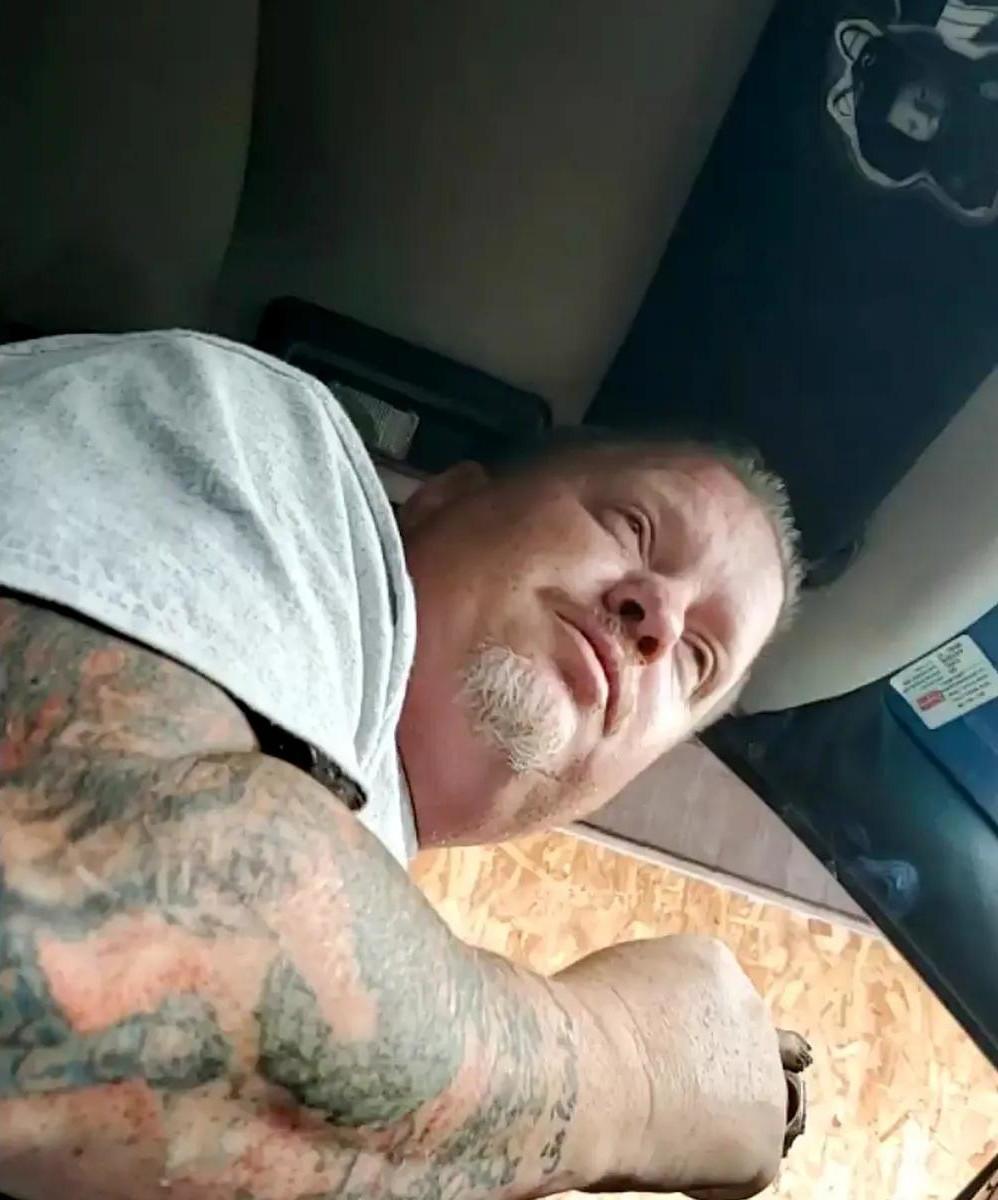
Michael Adam Windecker II infiltrated demonstrations for racial justice in Denver. He worked for the Federal Bureau of Investigation (FBI). He attended demonstrations. He accused other activists of being FBI informants. He asked an activist to illegally purchase a firearm for him, and the activist was later convicted of the illegal purchase. He carried out the infiltration under his real name.
He was exposed as a likely infiltrator in 2020 because he exhibited suspicious behavior, such as collecting activists' personal information, wearing a camera on his chest during demonstrations, and pushing people to commit crimes. He was confirmed to be an infiltrator by a journalist in 2023.
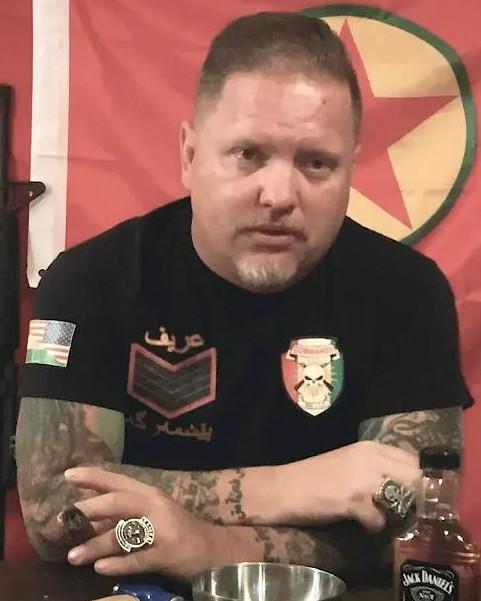
Belén Awad-Ratib Gómez infiltrated groups in Barcelona, including pro-independence and pro-Palestinian groups. She attended meetings and events and participated in actions. She had an official ID card under her fake name, which she used to open a bank account. Although her physical infiltration stopped in 2020, she maintained telephone contact with activists until 2023.
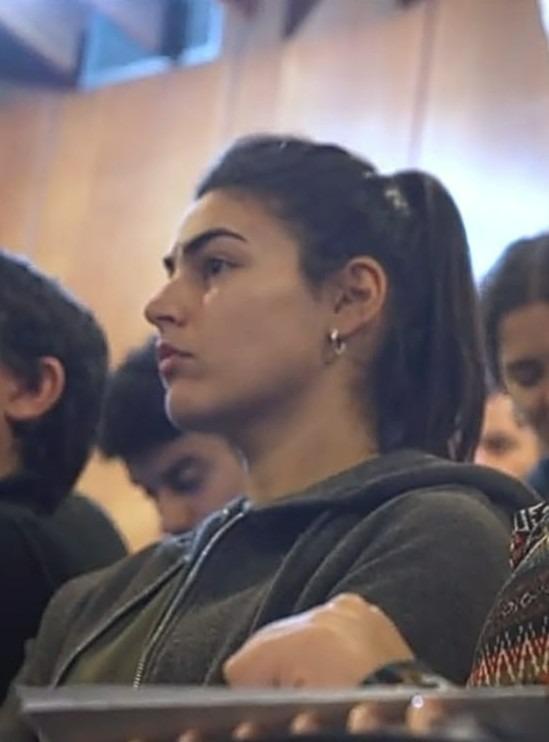
“Dan” infiltrated groups in France, including groups participating in the grassroots “yellow vests” protests and groups organizing against the 2019 G7 Biarritz summit. She attended meetings and helped organize demonstrations and other events.
She was identified because:
- During a meeting, activists noticed that she was discreetly taking pictures with her phone.
- Activists then seized the phone and found that she had taken many pictures of meetings, demonstrations, and actions, and was sending information about activists to a supervisor.
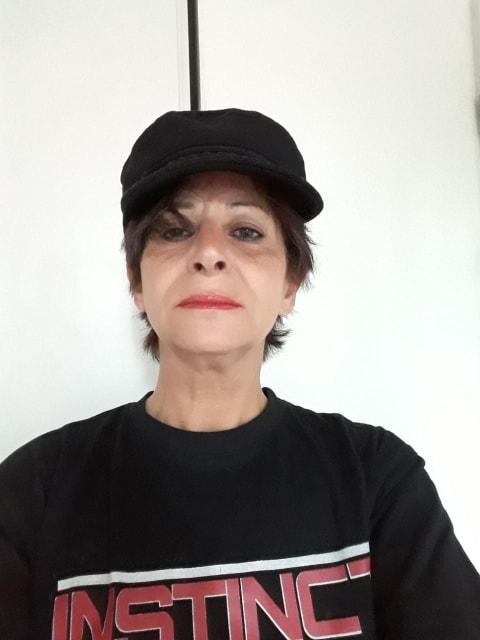
Gerrit Greimann infiltrated left-wing groups in Göttingen. He worked for a German intelligence agency. He participated in anti-fascist groups and student groups. He carried out the infiltration under his real name.
He was identified after a request for information was made to a German intelligence agency and the agency inadvertently responded with unredacted files which revealed his identity.
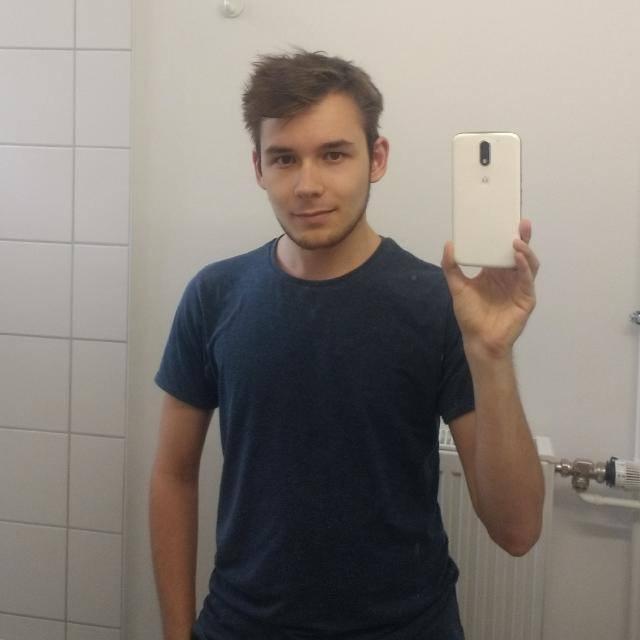
“Shane” infiltrated groups in Hamilton, Ontario. He attended meetings and demonstrations.
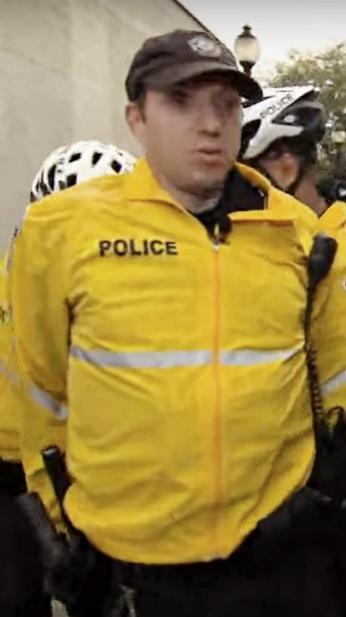
William Pina Botelho infiltrated groups in Brazil, including an informal group that was planning an anti-government demonstration. He worked for the military. He attended and helped organize demonstrations.
He was identified because:
- He and other activists were arrested while gathering before a demonstration, and:
- He was the only one of those arrested who was not taken to a police station.
- While the activists were in custody, he posted messages on social media, further confirming that he wasn't in custody.
- Social media pictures of him under his cover identity matched social media pictures of him under his real identity.
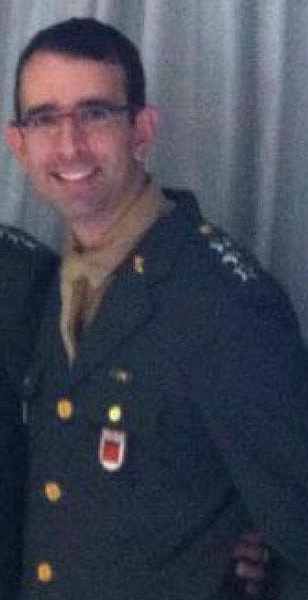
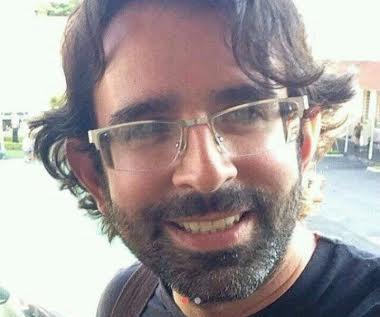
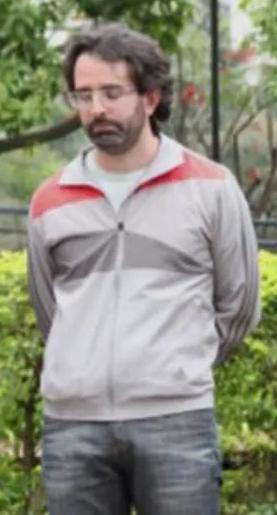
Heath Harmon infiltrated protests against the Dakota Access Pipeline. He worked for the Federal Bureau of Investigation (FBI). He was recruited by the FBI after he contacted his brother, a police officer, and asked if he could help by infiltrating the protests. He participated in camps organized in opposition to the Dakota Access Pipeline. He was in a romantic and sexual relationship with one of his targets.
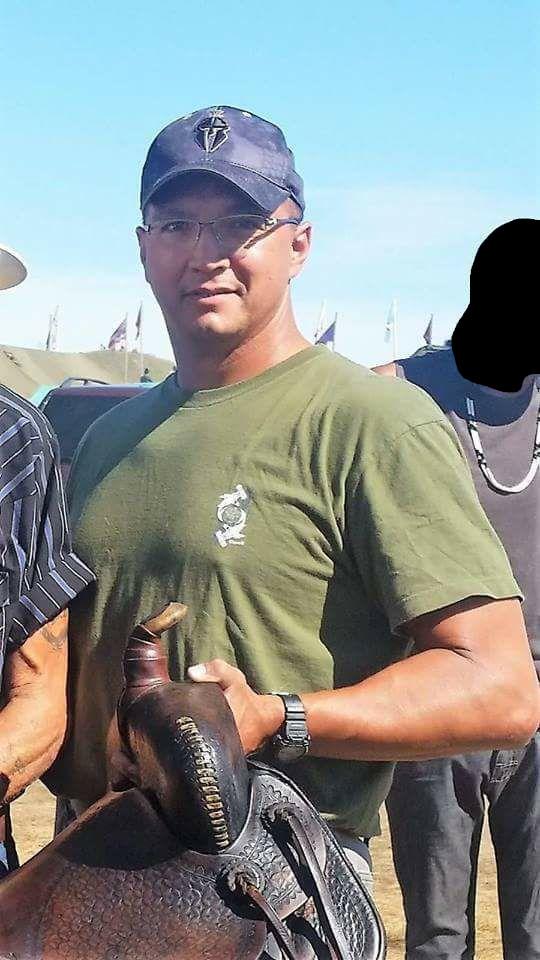
“Petr” and “Robert” infiltrated anarchist groups in the Czech Republic. They attended demonstrations and other events. They pushed a group of anarchists to plot an attack on a train with Molotov cocktails. Their infiltration resulted in the arrest of five anarchists, one of whom spent a year and a half in pretrial detention, though they were all ultimately acquitted.
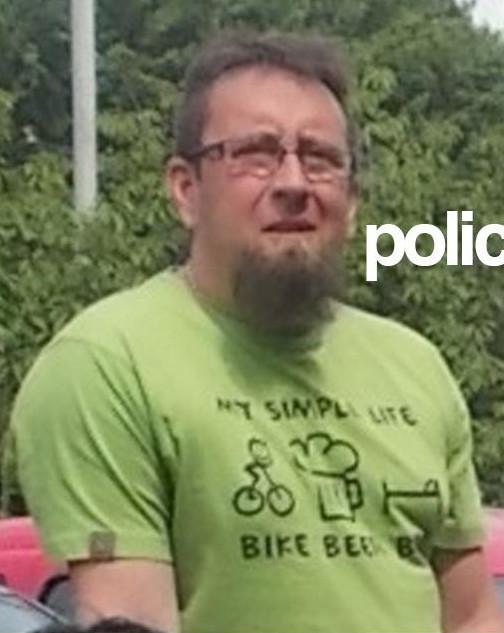
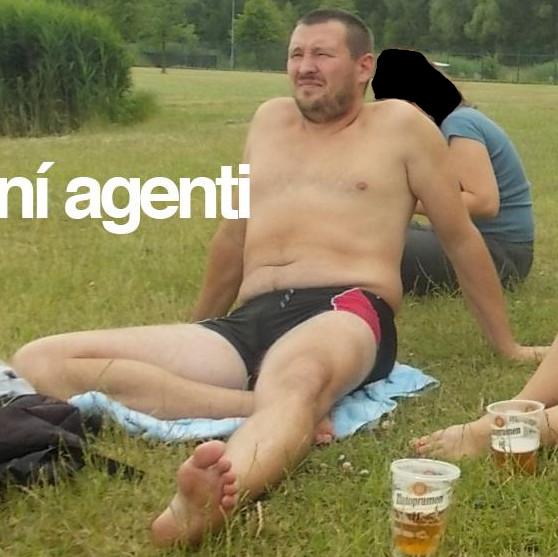
“Kat” and “Alex” infiltrated the Toronto-based Mining Injustice Solidarity Network (MISN). Claiming to be a couple, they attended a few meetings and tried to find out what MISN was planning in opposition to the 2015 Pan American Games. Kat claimed to be a survivor of abuse in order to avoid answering questions about her past.
They were identified because:
- They exhibited suspicious behavior, such as asking suspicious questions and having suspicious social media profiles.
- One day, a person who suspected they were infiltrators followed them into a subway station. After noticing the person following them, Alex appeared to talk on the phone. Shortly after, two police cars arrived, and police officers ran out of the cars and into the station, as if they had been waiting nearby to protect Kat and Alex in case something went wrong and Alex had called them to ask them to intervene.
- A journalist investigating the story could not find Kat or Alex in public legal records and could not confirm that Kat lived in the neighborhood she claimed to live in, despite knocking on doors and talking to people in the neighborhood.
Ralf Gross infiltrated animal liberation, environmentalist, anti-repression, and anti-fascist groups in Germany. He worked for the police. He attended events and demonstrations, and participated in actions. On one occasion, the morning after an arson attack, he called an activist and asked if he had slept well, presumably to determine whether he had participated in the attack. He carried out the infiltration under his real name.
He was identified because:
- He exhibited suspicious behavior, which led activists to suspect him. For example:
- He had meat in his refrigerator and kept dogs in a kennel at his home, which was suspicious considering he participated in animal liberation groups.
- He reacted suspiciously when someone asked to borrow his laptop.
- Activists gained access to his email account and discovered that he had sent suspicious emails.
- Activists gained access to his Facebook account and found private messages in which he expressed disdain for animal liberation actions.
- In an attempt to confirm that he was an infiltrator, activists told him about a fake clandestine action, and later recorded a phone conversation in his car during which he gave information about the action to an unknown person.
- When confronted with the accusation that he was a spy, he tried to deny it, but he was not convincing at all.
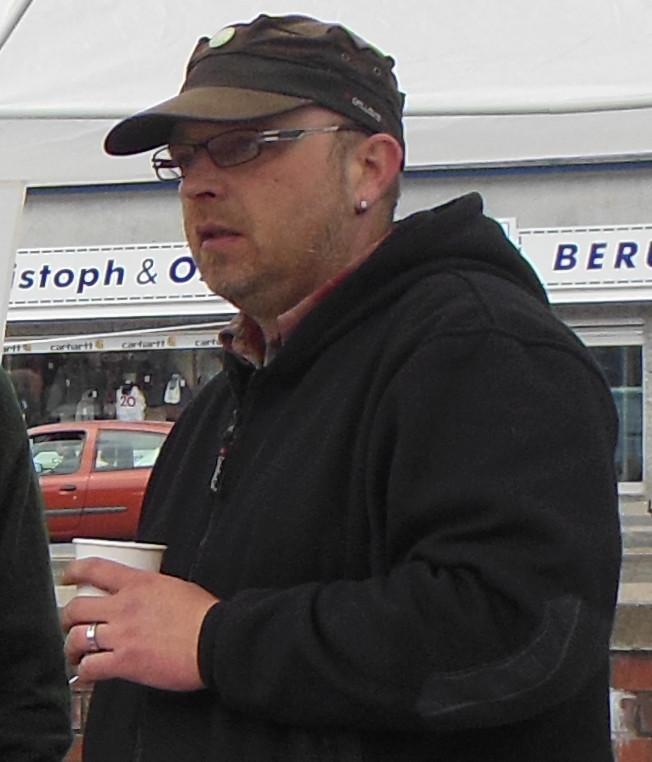
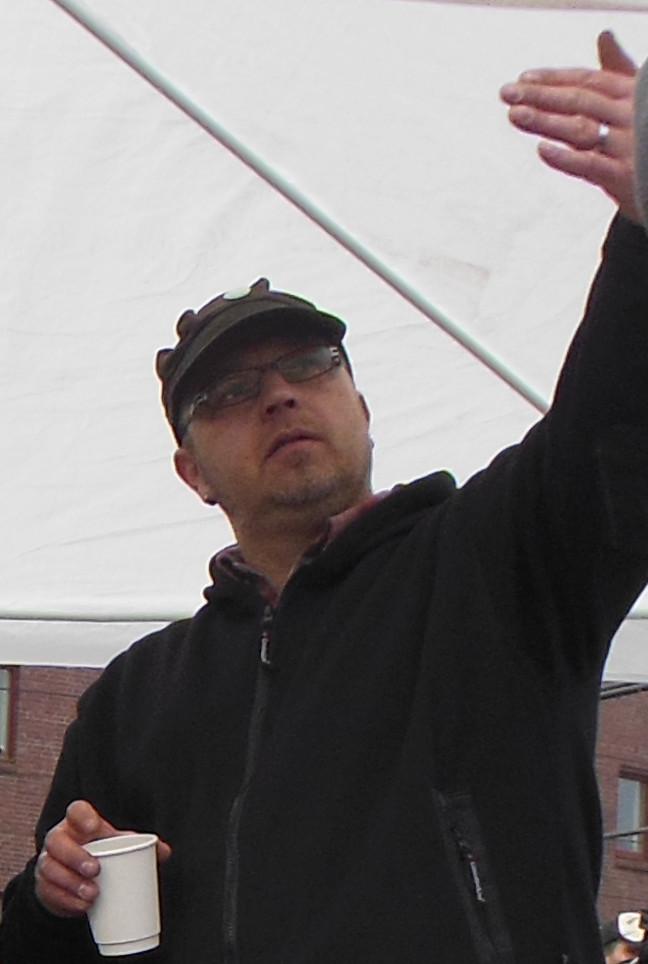
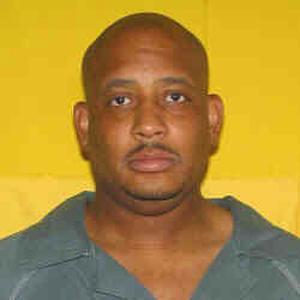
Shaquille Azir infiltrated an informal anarchist group in Cleveland, Ohio. He worked for the Federal Bureau of Investigation (FBI). He first attended a protest, where he met an anarchist. He then formed an informal group with this anarchist and four others, and pushed them to plot the bombing of a bridge. The anarchists were arrested and each sentenced to approximately 10 years in prison.
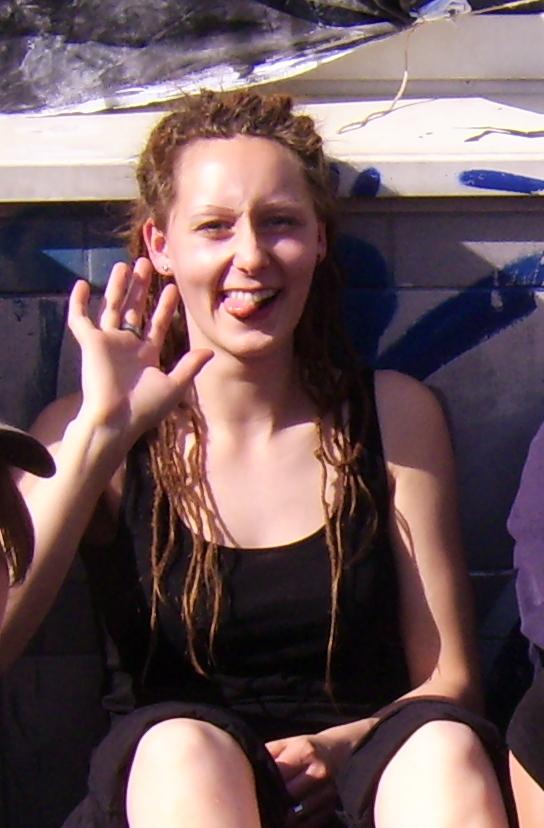
Maria Böhmichen infiltrated anti-racist and anti-fascist groups in Hamburg. She also attended events and demonstrations in Belgium, Denmark, France, and Greece. She attended and helped organize events and demonstrations. She also attended social events in public places and private homes. She had sexual relationships with two of her targets.
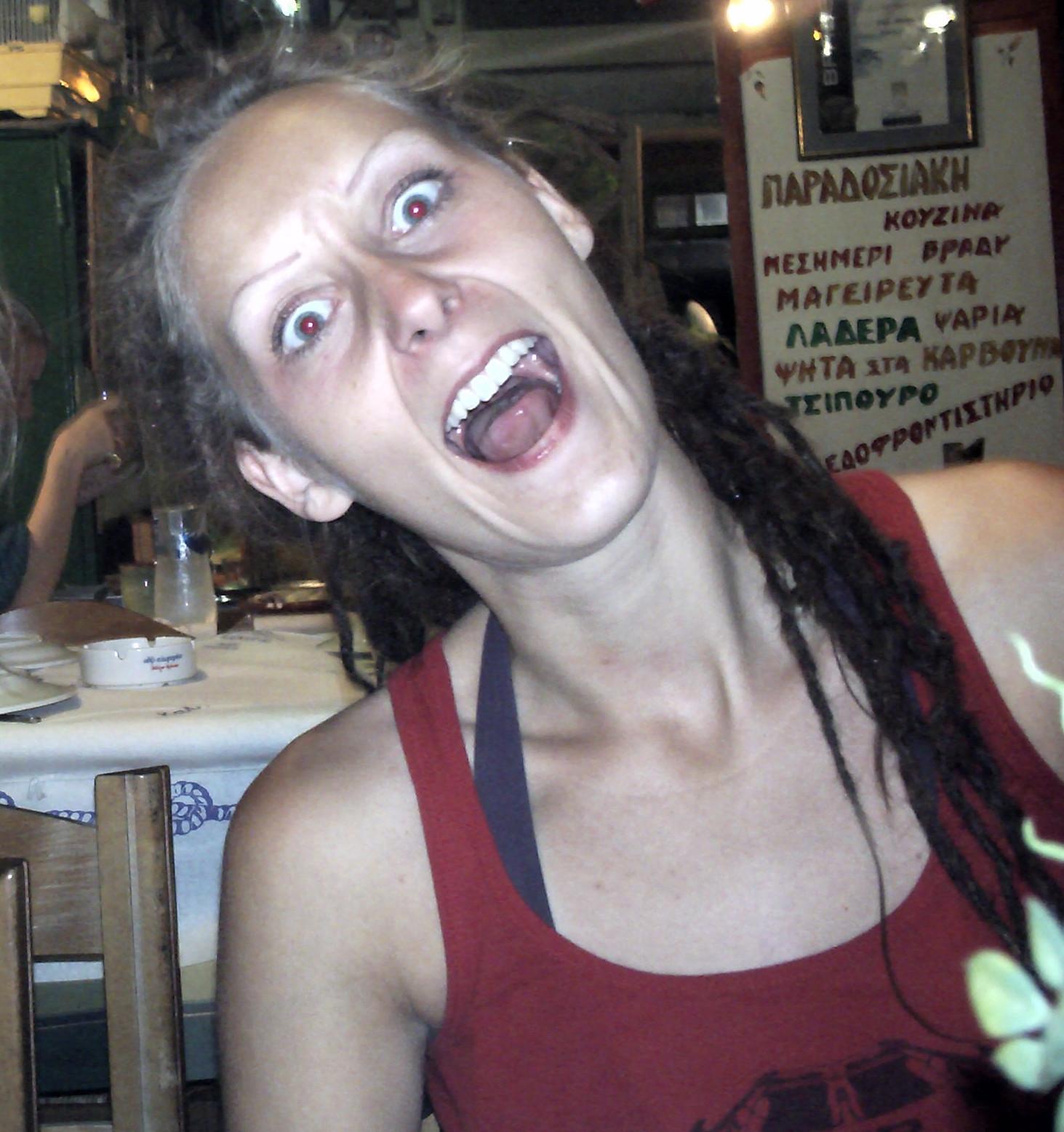
Luis Castilla Pérez infiltrated groups in Seville, including anti-austerity and anarchist groups, and social centers. He attended meetings and events. He had an official ID card under his fake name.
He was identified because:
- Activists began to suspect that he was an infiltrator because he was very active in their groups, yet no one knew much about him.
- When asked to show that he wasn't an infiltrator, he failed to do so and disappeared in very suspicious circumstances.
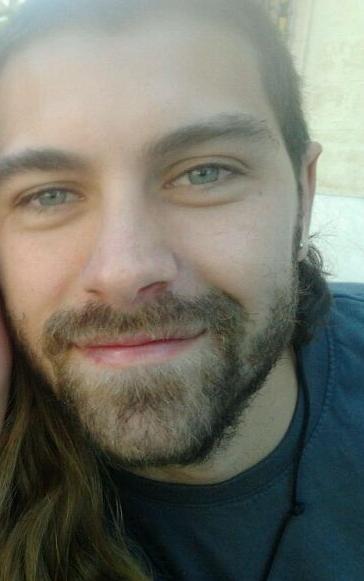
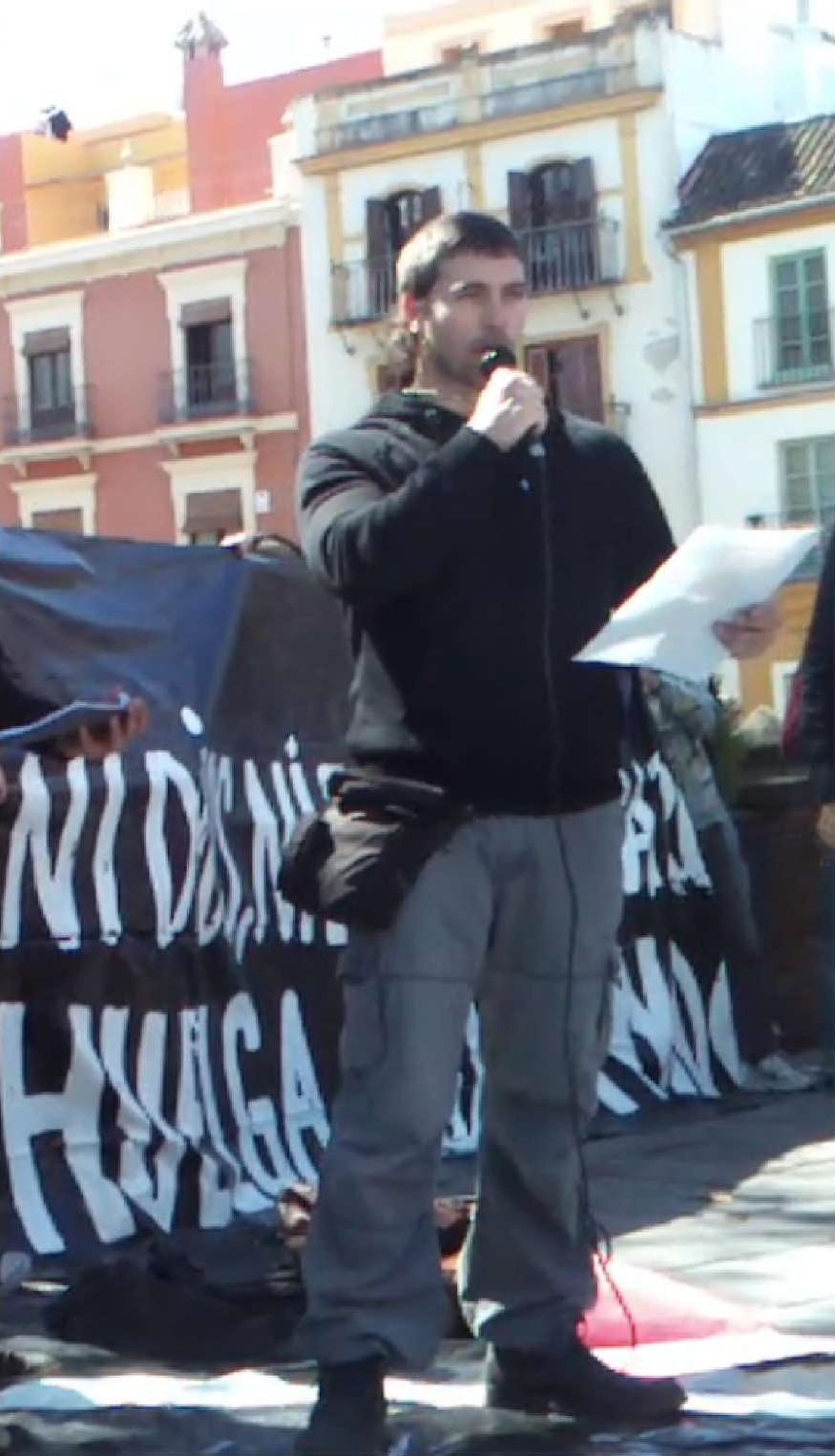
José Manuel Iglesias Romero infiltrated anti-globalization groups in the Asturias region. He attended meetings and demonstrations.
He was identified when someone who knew him under his real identity as a police officer recognized him by chance at a demonstration.
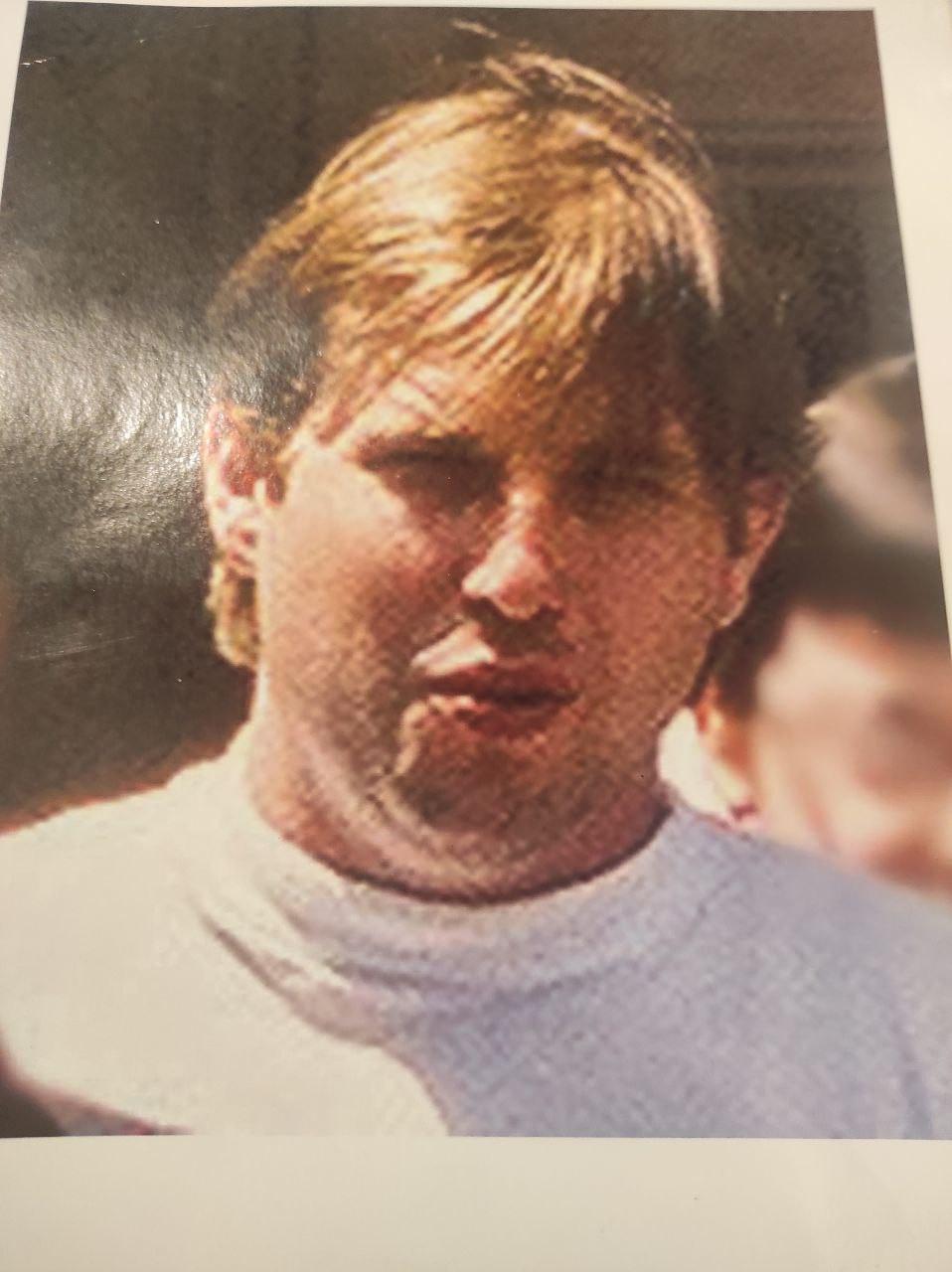
Simon Bromma infiltrated left-wing and anti-fascist groups in Heidelberg. He also attended an event in Belgium. He first infiltrated a student group before moving on to other groups. He participated in demonstrations.
He was identified because:
- Before the infiltration began, while on vacation in France, he told a person that he was a police officer.
- In 2010, this person traveled to Heidelberg to visit a friend from left-wing circles. They met Simon Bromma by chance at a party, and warned their friend that he was a police officer.
- The next day, when confronted with the accusation that he was a police officer, he admitted to being an infiltrator.
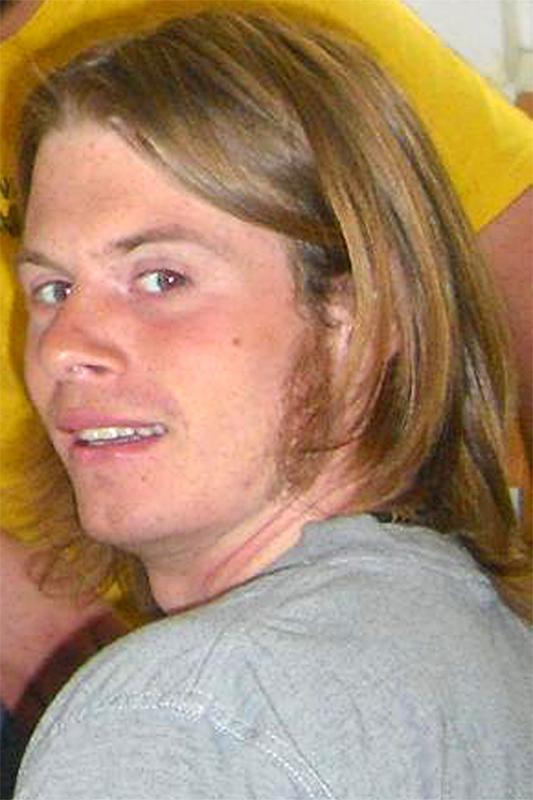
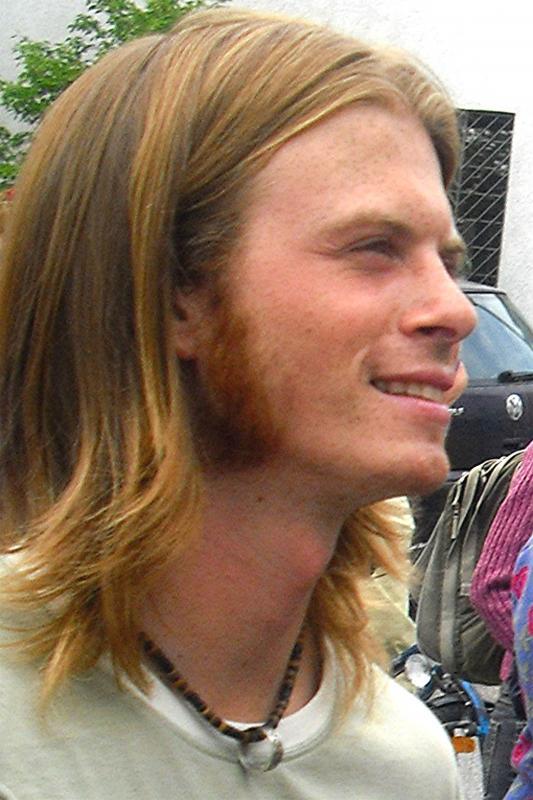
Denis Leduc infiltrated groups in Ottawa, including the Indigenous Peoples' Solidarity Movement of Ottawa and groups organizing against the 2010 G20 Toronto summit. He attended meetings and helped organize events.
He was identified during bail hearings, presumably through court documents.
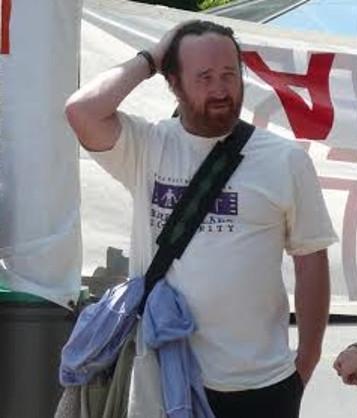
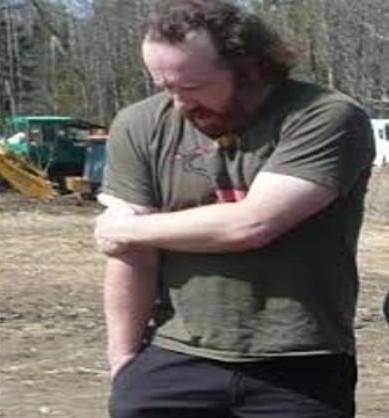
Brenda Carey infiltrated groups in Ontario, including Southern Ontario Anarchist Resistance (SOAR). She was tasked with infiltrating anarchist groups organizing against the 2010 G20 Toronto summit. She initially infiltrated an anti-poverty group before moving on to successfully infiltrate SOAR, the main anarchist group organizing against the G20. She attended meetings. She introduced a man she claimed was her boyfriend to other activists, and who was in fact another police officer. On one occasion, she wore a hidden recording device to a meeting. Information she gathered helped incriminate SOAR participants.
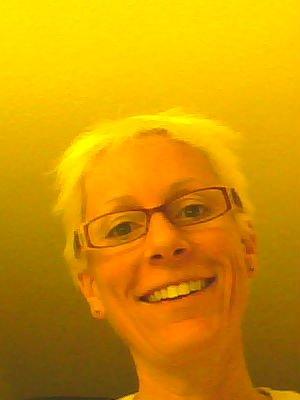
Bindo Showan infiltrated groups in Ontario, including Southern Ontario Anarchist Resistance (SOAR). He was tasked with infiltrating anarchist groups organizing against the 2010 G20 Toronto summit. He first infiltrated a group organizing against the construction of a business park before moving on to infiltrate SOAR, the main anarchist group organizing against the G20. He attended meetings. Information he gathered helped incriminate SOAR participants.
He was identified because:
- He exhibited suspicious behavior, such as discussing illegal activities in inappropriate contexts and not stopping when asked to stop.
- An activist “saw something suspicious” on his phone.
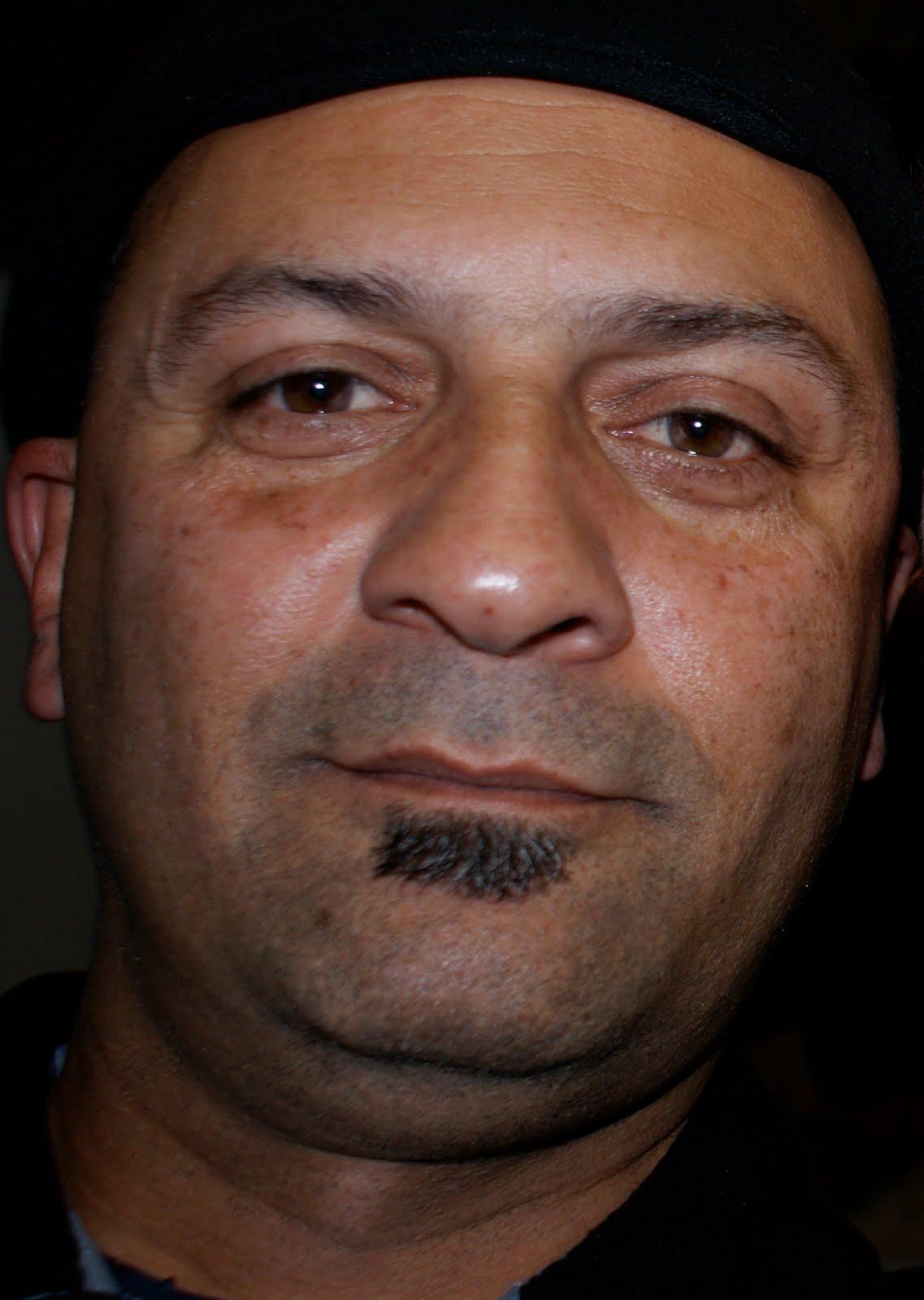
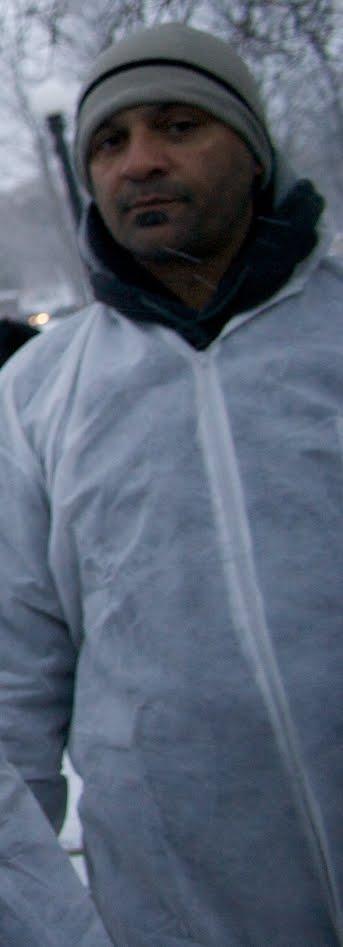
Matthew Gibbons infiltrated anti-fascist demonstrations in the United Kingdom. He worked for the police.
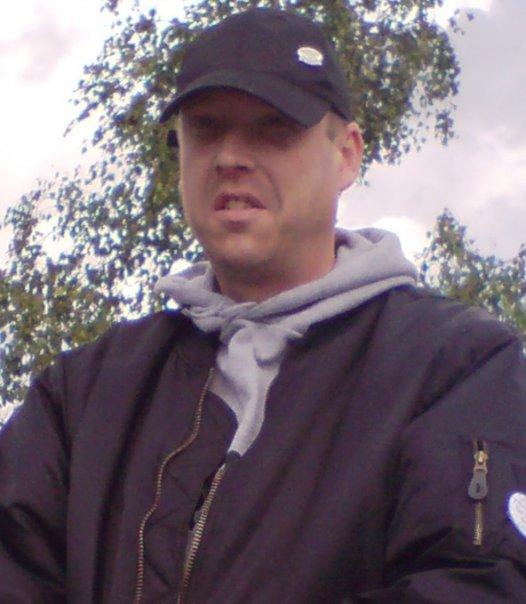
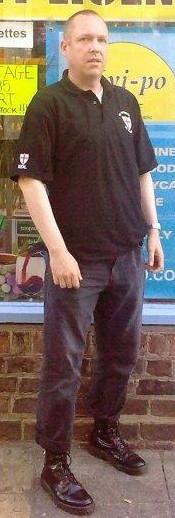
John Jacob Towery infiltrated anarchist and anti-war groups in Tacoma and Olympia in Washington state. He attended meetings, drove his targets to events, spent time in their homes, and gathered information from conversations he overheard. Claiming to be ex-military and to now work as a civilian in the IT department of a nearby army base, he used knowledge from his “job” to “help” an anti-war group.
He was identified partly because:
- His car was seen in the driveway of a house whose address was linked to his real name.
- His motorcycle's license plate was associated with an organization of motorcycle enthusiasts, and, on the organization's website, he was listed under his real name as a member who rode a motorcycle of the same make and model.
- When confronted with evidence, he confirmed being an infiltrator.
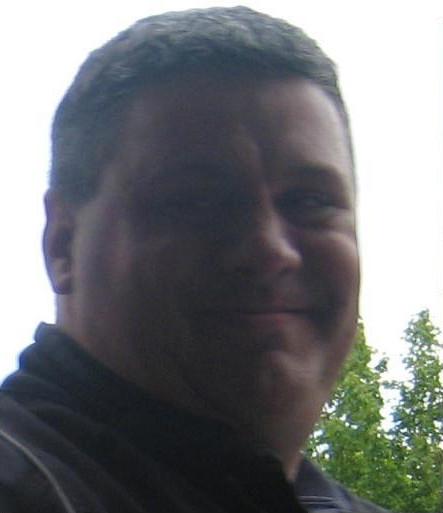
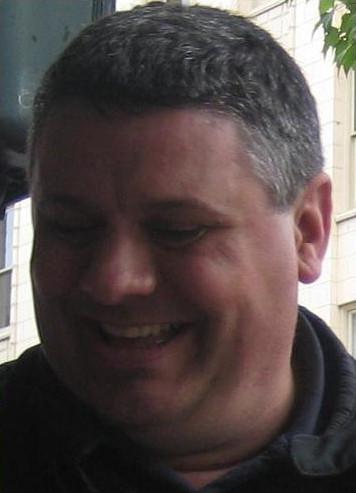
Toby Kendall infiltrated groups in the United Kingdom, including the environmentalist group Plane Stupid. He worked for the security company C2-i International. He attended meetings and participated in civil disobedience actions.
He was identified because:
- He exhibited suspicious behavior, such as always arriving first to meetings, always pushing for direct action, and dressing too well.
- His name did not appear on the electoral register of the city he claimed to live in, nor in the records of the sports team he claimed to have played for.
- In an attempt to confirm that he was an infiltrator, activists gave him false information, and the information ended up in the press.
- Activists showed his picture to someone at the university where he claimed to have studied, and the person recognized him and provided his real name.
- An Internet search using his real name revealed that he worked for C2-i International.
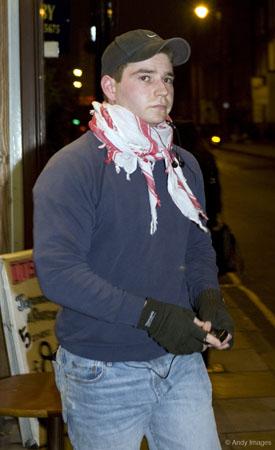
Rachel Nieting infiltrated groups organizing against the 2008 Republican National Convention. She worked for the police. She attended meetings. Another infiltrator, Marilyn Hedstrom, posed as her aunt.
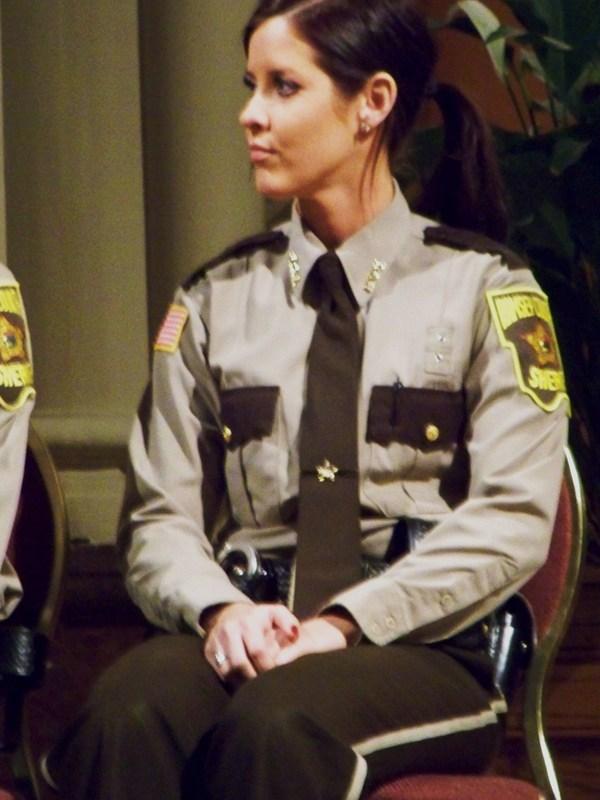
Marilyn Hedstrom infiltrated groups organizing against the 2008 Republican National Convention. She attended and helped organize meetings. Another infiltrator, Rachel Nieting, posed as her niece.
Chris Dugger infiltrated groups organizing against the 2008 Republican National Convention. He worked for the police. He attended meetings. On one occasion, he claimed to suspect another activist of being an informant.
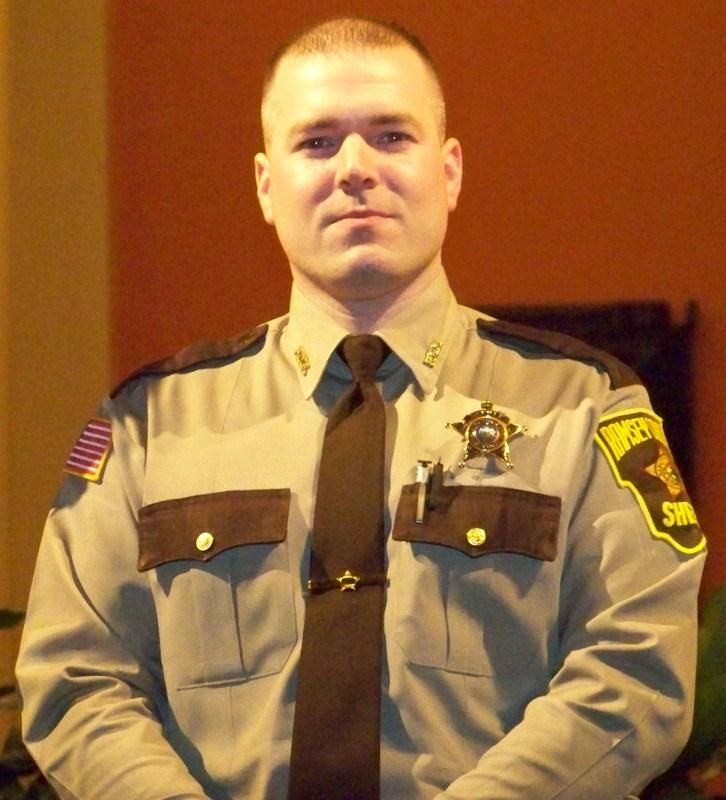
Brandon Darby infiltrated activist groups in the United States, including an informal group organizing against the 2008 Republican National Convention (RNC). He had been involved in activist groups for years before being recruited by the Federal Bureau of Investigation (FBI). During the RNC, he wore a recording device hidden in his belt. His infiltration resulted in the arrest of two activists who were sentenced to 3 and 4 years in prison, respectively, for making and planning to use Molotov cocktails.
He was identified because:
- He exhibited suspicious behavior, such as pushing people to commit crimes.
- Activists obtained FBI documents that appeared to be based on information he had provided. The documents included the names of many people, but not his name, and reported on private conversations he had with other activists.
- He then published an open letter admitting that he had worked for the FBI.
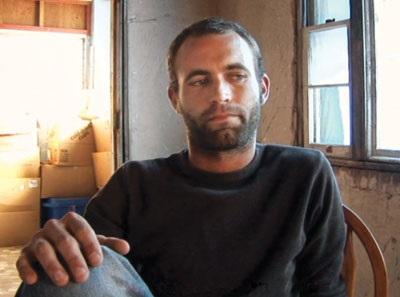
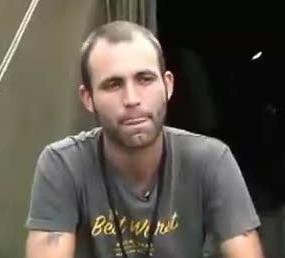
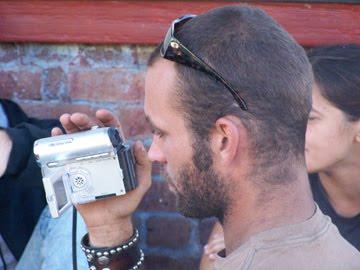
Andrew Darst infiltrated groups in the United States, including anarchist groups and groups organizing against the 2008 Republican National Convention. He worked for the Federal Bureau of Investigation (FBI). He attended meetings and other events. Hidden audio and video recording devices were hidden in his apartment to record activists who visited. He pushed an activist to make Molotov cocktails, and the activist was sentenced to 3 and a half years in prison.
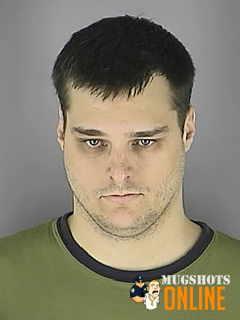
“Setha Sann” infiltrated left-wing, animal rights, and anti-war groups in Melbourne. He was part of the Security Intelligence Group, the intelligence unit of the police of the state of Victoria. He attended meetings and protests, and participated in actions.
“Danielle Durand” infiltrated animal rights groups in Austria, including Verein gegen Tierfabriken (VGT, Association Against Factory Farming). She also attended events in the Netherlands and Switzerland. She attended meetings, demonstrations, and other events, and participated in civil disobedience actions. She formed friendships with her targets. On one occasion, she took two water bottles used by activists and gave them to the police so that they could collect the activists' DNA on the bottles. She had a sexual relationship with one of her targets. Her infiltration contributed to the prosecution of 13 activists, though they were all ultimately acquitted.
Lukas a Porta infiltrated the activist organization Attac and other anti-globalization groups in Geneva. He also attended an event in Germany. He worked for Swiss intelligence agencies. He attended meetings and demonstrations.
He was identified in 2011 when he publicly revealed that he had been an infiltrator.
“Rob Harrison” infiltrated left-wing and anarchist groups in London, including social centers. He also attended a demonstration in Germany. He was part of the undercover police unit Special Demonstration Squad. He attended meetings and demonstrations and organized events. He had sexual relationships with one of his targets.
In 2018, an official inquiry into undercover police operations revealed that he had been an infiltrator.
Zoe Elizabeth Voss infiltrated anarchist events and an informal anarchist group in the United States. She worked for the Federal Bureau of Investigation (FBI). She attended events and demonstrations. She often wore hidden recording devices. At one event, she met an anarchist, Eric McDavid. They met a few more times. Finally, she rented an isolated cabin where she met with McDavid and two others. During their stay at the cabin, she pushed them to build a bomb to carry out a sabotage. They were arrested after purchasing supplies to build the bomb. Eric McDavid was sentenced to 20 years in prison, later reduced to 9 years.
Fanny Decreuze infiltrated groups in Switzerland, including an anti-repression group in Lausanne. She worked for the Swiss security company Securitas on behalf of the Swiss multinational food company Nestlé. She attended meetings, events and demonstrations. She gathered information on activists that was then provided to Nestlé, and probably also to the police.
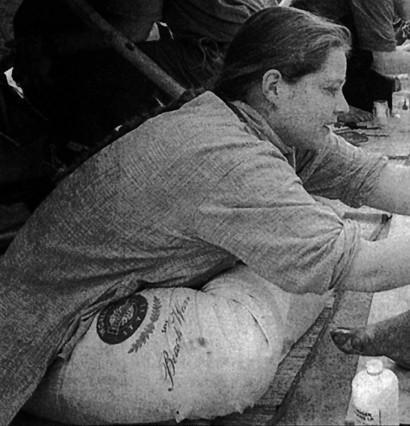
Kristian Krumbeck infiltrated left-wing groups in Hamburg. He attended actions, demonstrations and meetings.
He was identified because:
- He was recognized by chance during an action by someone who knew he was a police officer.
- The person who recognized him during the action also recognized him in pictures of him under his cover identity.
- People who knew him under his cover identity recognized him in pictures of him under his real identity.
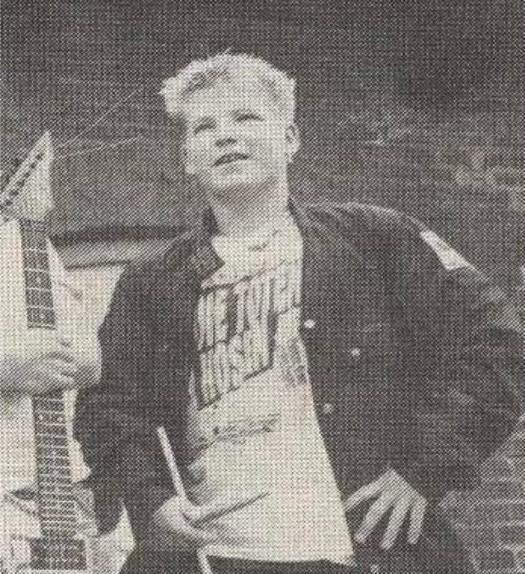
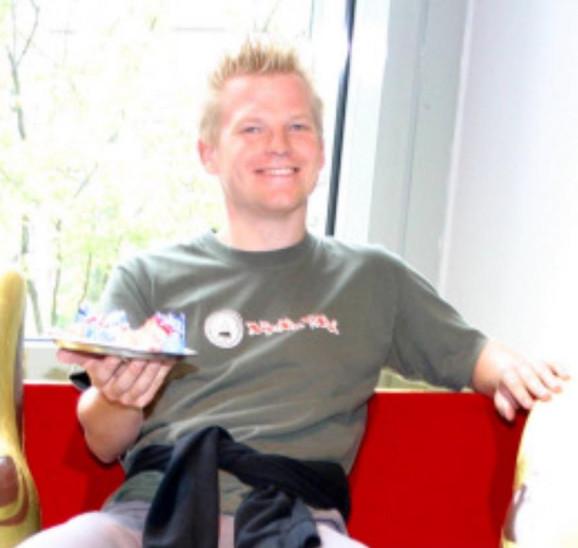
“Sara Meylan” infiltrated the activist organization Attac. She worked for the Swiss security company Securitas on behalf of the Swiss multinational food company Nestlé. She attended meetings. She joined a group of Attac members who were writing a book about Nestlé. She gathered information that was then provided to Nestlé and to the police.
Alfonso Collado Corrales infiltrated groups in Madrid, including anti-globalization groups and social centers. He also attended a demonstration in Italy.
The infiltration case was made public in 2025 when a journalist published a book about it. The journalist intended to keep the infiltrator's real name secret but, in interviews to promote the book, let details slip that allowed activists to find the name.
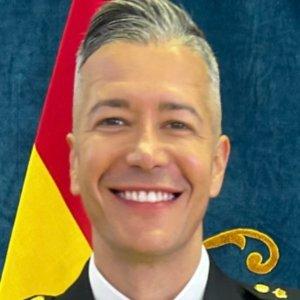
Axel Brinker infiltrated anti-nuclear groups in Göttingen. He attended events and actions, and participated in meetings.