 English
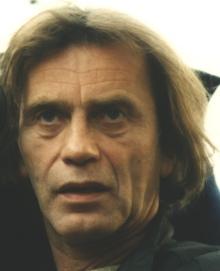
Mark Kennedy infiltrated many environmentalist, anti-capitalist, and anarchist groups in the United Kingdom and abroad. He participated in demonstrations, actions, and other events in Denmark, France, Germany, Greece, Iceland, Italy, Ireland, Poland, Spain, and the United States. He worked for the police as part of the undercover police unit National Public Order Intelligence Unit. In 2010, he also worked for a security company. He first infiltrated a social center in Nottingham, United Kingdom, before moving on to other groups. He had credit cards, bank accounts, a passport, and a driver's license under his fake name. On one occasion, he introduced two people he claimed were his childhood friends to his roommates, and who were in fact likely other undercover police officers. On one occasion, he used a modified watch to record his targets' conversations. He had many romantic and sexual relationships with his targets, including one that lasted six years.
His targets were unaware that he was married and had children under his real identity. He was identified because:
- One day, his long-term partner found his real passport under the name “Mark Kennedy,” as well as emails indicating that he had children.
- His long-term partner and other activists then found evidence of his real identity:
- Electoral records for his birth year did not include an entry for “Mark Stone” but did include an entry for a “Mark Kennedy” who was married.
- A genealogy website included an entry for a “Mark John Kennedy” who was listed as being married and having children.
- The birth certificate of the son of “Mark Kennedy” listed the father's occupation as police officer.
- The birth certificate of “Mark Kennedy” listed the father's occupation as police officer, despite his claims that his father was an accountant.
- The marriage certificate of “Mark Kennedy” listed his occupation as police officer.
- When confronted with evidence, he admitted to being an infiltrator.
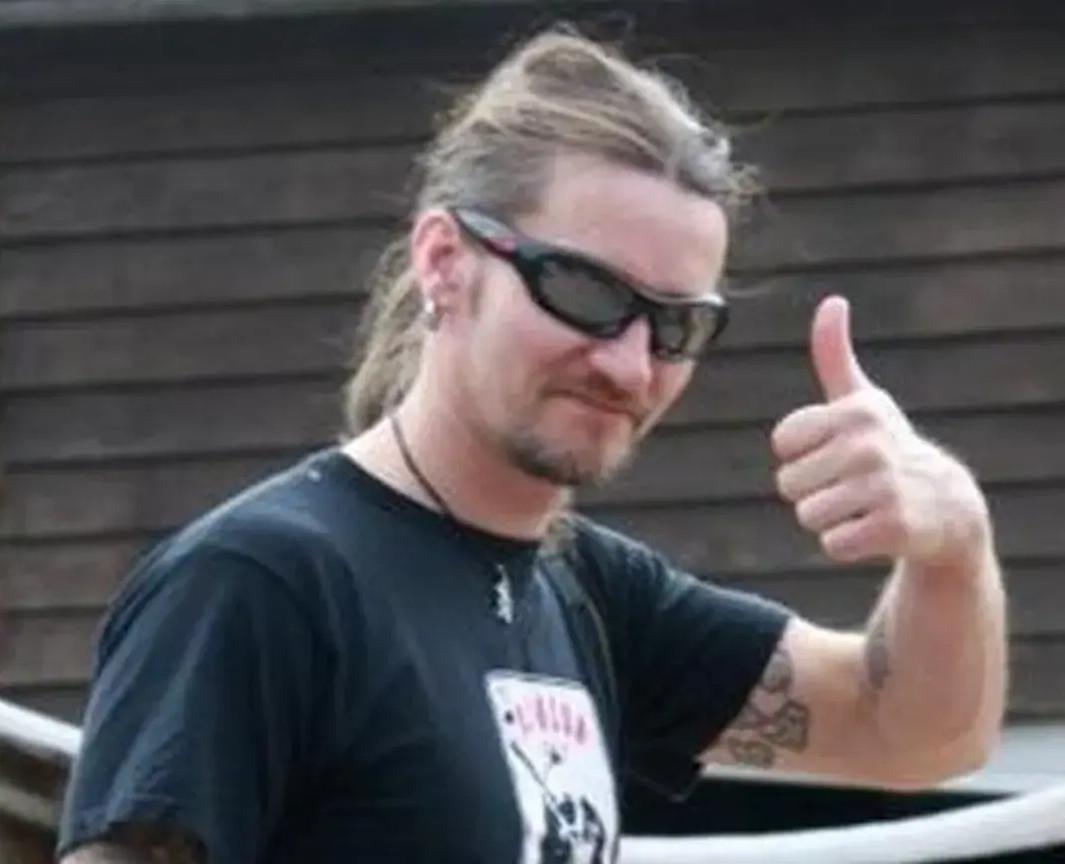
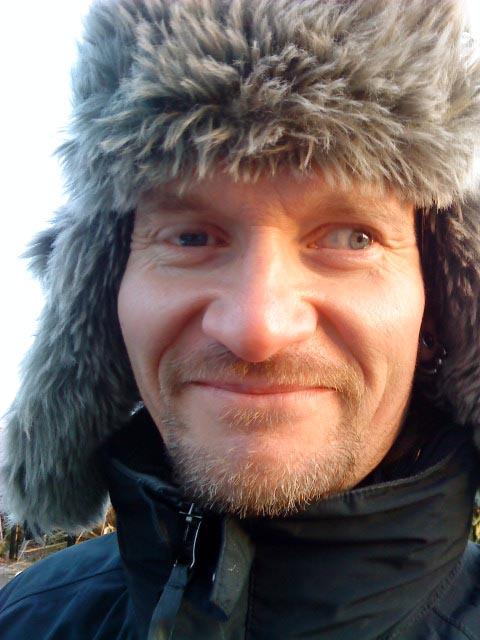
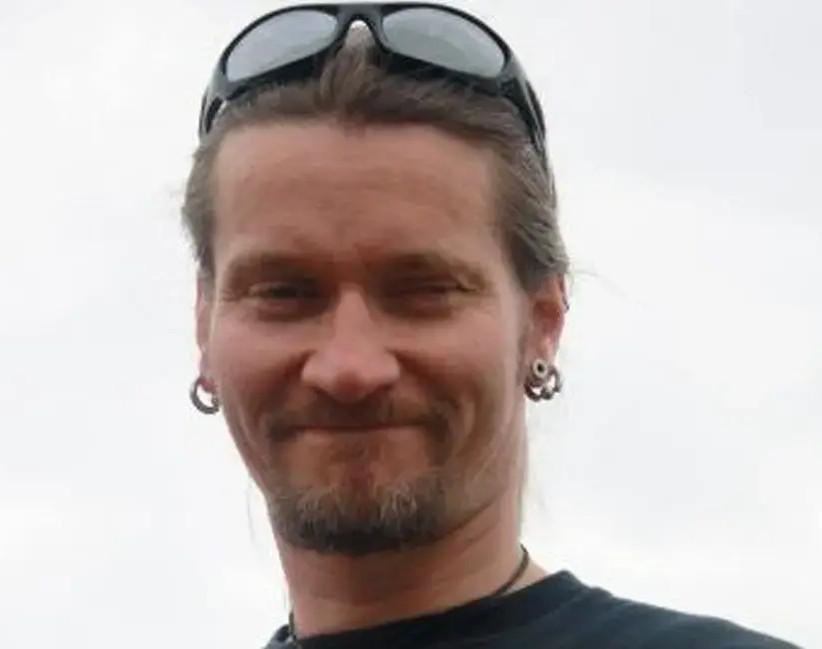
Toby Kendall infiltrated groups in the United Kingdom, including the environmentalist group Plane Stupid. He worked for the security company C2-i International. He attended meetings and participated in civil disobedience actions.
He was identified because:
- He exhibited suspicious behavior, such as always arriving first to meetings, always pushing for direct action, and dressing too well.
- His name did not appear on the electoral register of the city he claimed to live in, nor in the records of the sports team he claimed to have played for.
- In an attempt to confirm that he was an infiltrator, activists gave him false information, and the information ended up in the press.
- Activists showed his picture to someone at the university where he claimed to have studied, and the person recognized him and provided his real name.
- An Internet search using his real name revealed that he worked for C2-i International.
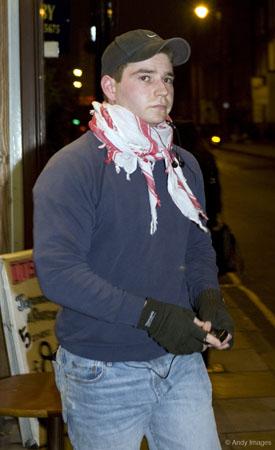
Paul Mercer infltrated environmentalist and anti-war groups in the United Kingdom. He worked for security companies, including for the security company LigneDeux Associates on behalf of the arms manufacturer BAE Systems. He attended and helped organize demonstrations and actions.
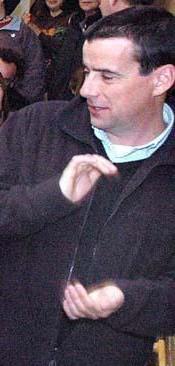
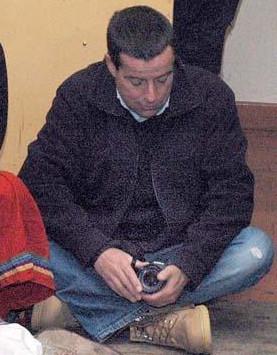
Adrian David Radford infiltrated gay rights and animal rights groups in the United Kingdom. He worked for security companies. He attended protests and may have participated in actions.
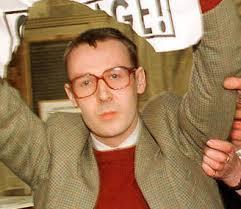
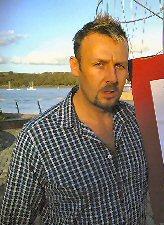
Edward Nicholas Gratwick infiltrated environmentalist and animal rights groups in the United Kingdom. He also attended a protest in the Czech Republic. He worked for the security company Verify. From 1995 to 2003, he worked on behalf of the police, and then he worked on behalf of private companies. He participated in and helped organize many demonstrations, events, and actions. On many occasions, the police seemingly disrupted or prevented actions based on information he provided. On one occasion, he accused another activist of being an infiltrator. He had a sexual relationship with one of his targets.
He was identified because:
- He exhibited suspicious behavior. For example, in 2003, he requested to be named as a defendant in a civil court case against activists, presumably to gain access to their legal strategy. This was considered suspicious because activists would not normally want to be named as defendants as this would expose them to fines or other negative consequences.
- In 2004 or 2005, an activist revealed that a “well-placed contact within the security industry” had claimed that Gratwick was an infiltrator working for the security company Verify.
- In 2015, an activist learned that, in 2002, former infiltrator Jim Boyling had claimed that Gratwick was an infiltrator.
- In 2016, a company was founded at the address where the security company Verify had been based. The company listed two directors: Gratwick and the son of the founders of Verify.
- In 2025, he was accused of child sexual offenses. During the trial, as part of his legal defense strategy, he admitted that he had been an infiltrator.
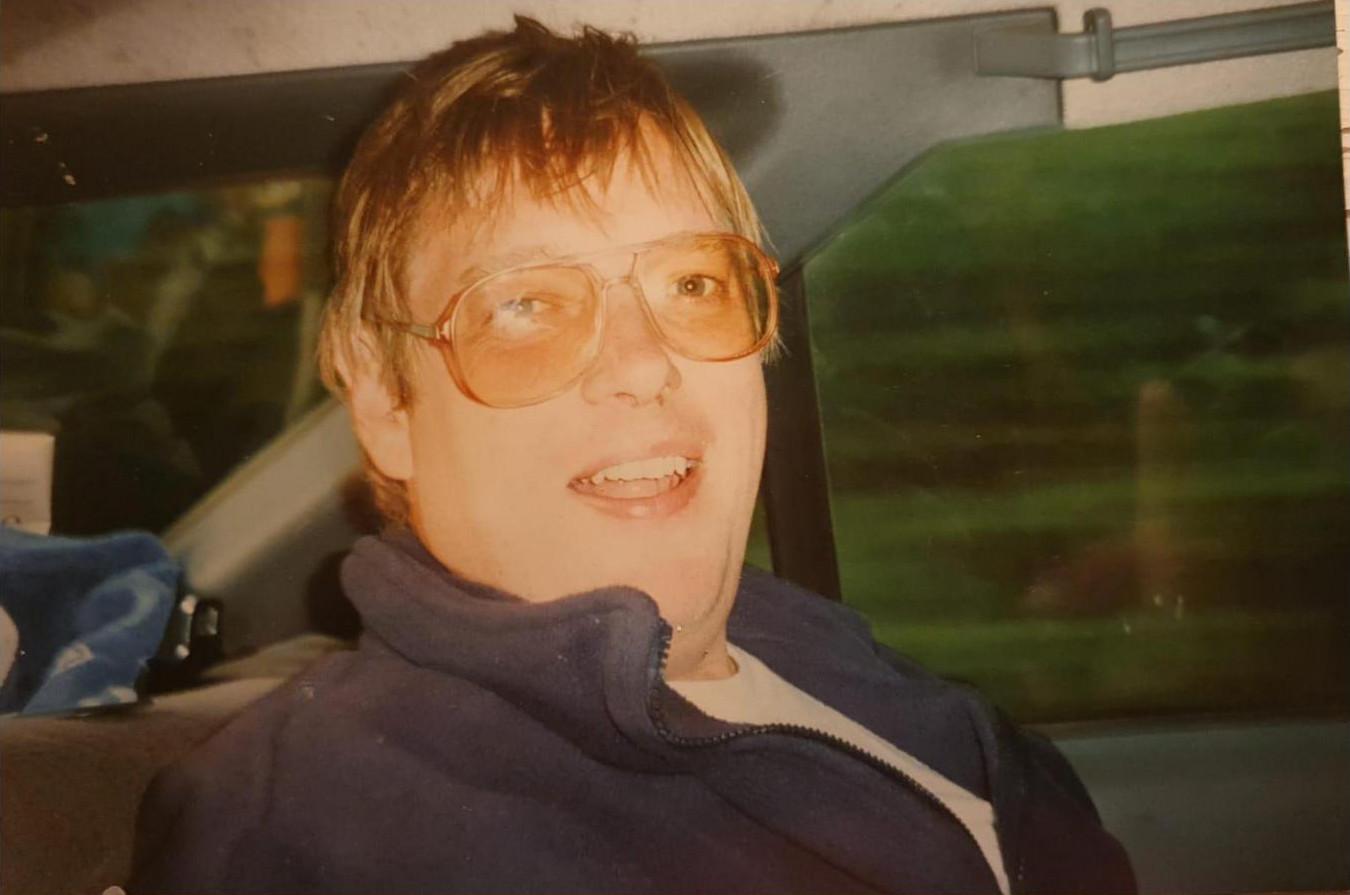
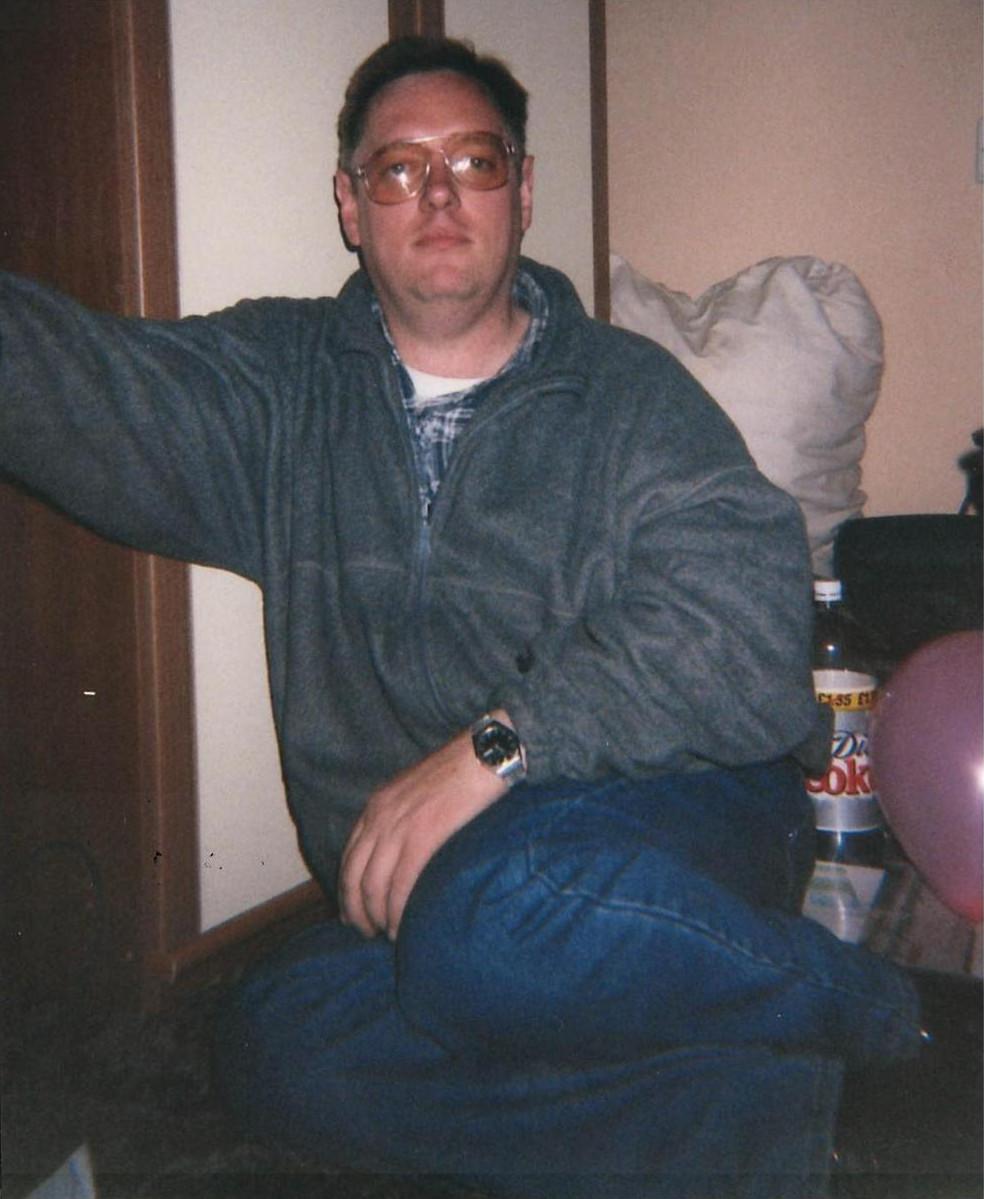
Fanny Decreuze infiltrated groups in Switzerland, including an anti-repression group in Lausanne. She worked for the Swiss security company Securitas on behalf of the Swiss multinational food company Nestlé. She attended meetings, events and demonstrations. She gathered information on activists that was then provided to Nestlé, and probably also to the police.
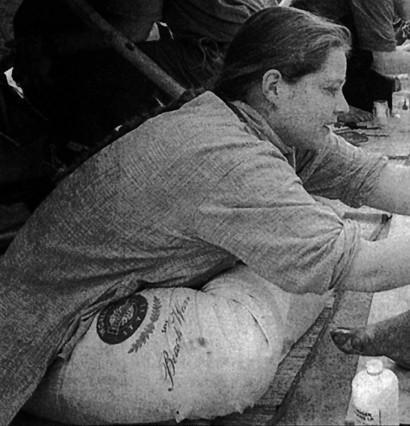
“Sara Meylan” infiltrated the activist organization Attac. She worked for the Swiss security company Securitas on behalf of the Swiss multinational food company Nestlé. She attended meetings. She joined a group of Attac members who were writing a book about Nestlé. She gathered information that was then provided to Nestlé and to the police.
Martin Hogbin infiltrated the activist group Campaign Against Arms Trade (CAAT). He worked for the security company Threat Response International on behalf of the arms manufacturer BAE Systems. He participated in demonstrations and helped organize events. He gathered information on activists that was then provided to BAE Systems. He carried out the infiltration under his real identity.
He was identified because:
- In 2003, journalists published an article claiming that CAAT had been infiltrated from 1995 to 1997.
- After the article was published, in an attempt to discover potential infiltrators, CAAT activists analyzed the emails sent from the group's office in 2002 and 2003. They found that Martin Hogbin had sent numerous emails containing sensitive internal information to a suspicious email address.
- When confronted with this fact, Martin Hogbin did not provide a plausible explanation for why he had sent the emails.
Manfred Schlickenrieder infiltrated a wide range of left-wing and environmentalist groups in Germany, as well as in Italy, the Netherlands, and Switzerland. In particular, he infiltrated various levels of left-wing revolutionary organizations, including the Red Army Faction in Germany and the Red Brigades in Italy. He worked for both State intelligence agencies and private companies throughout his career, including German domestic and foreign intelligence services and the security company Hakluyt, which had close links with British foreign intelligence services and provided information to the multinational oil and gas companies Shell and BP. He posed as a militant archivist, filmmaker, and translator, which allowed him to attend secret meetings, collect documents, and film interviews, meetings, demonstrations, actions, and other events. He gathered information on hundreds of activists. On one occasion, he offered to sell firearms to members of a clandestine communist party, and asked in exchange to know what the firearms would be used for.